How the ground changes across the metro
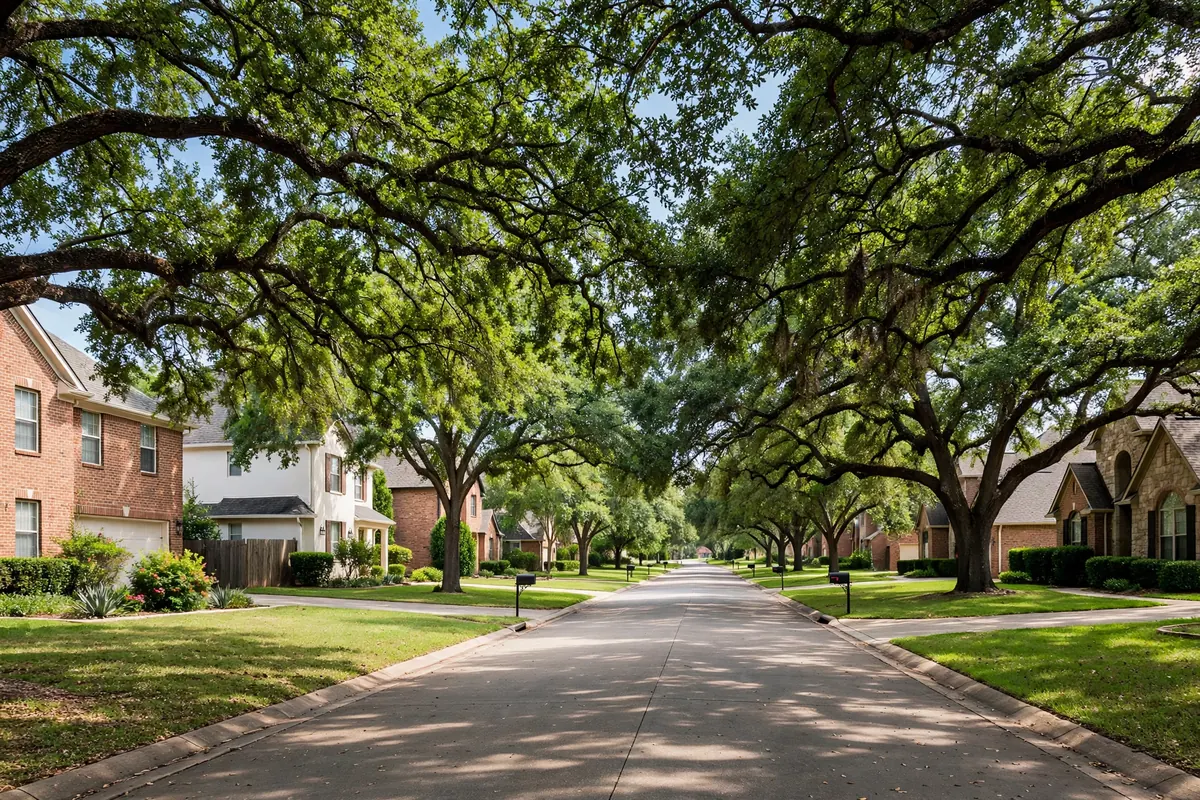
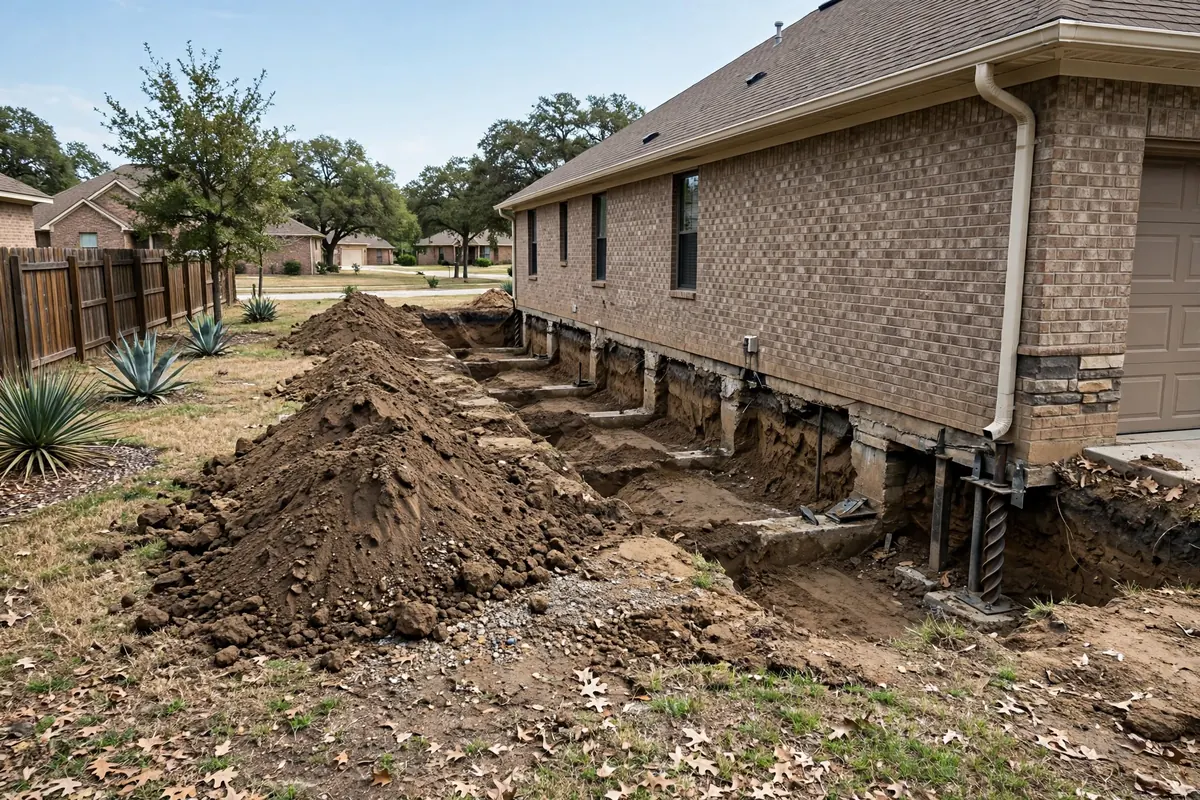
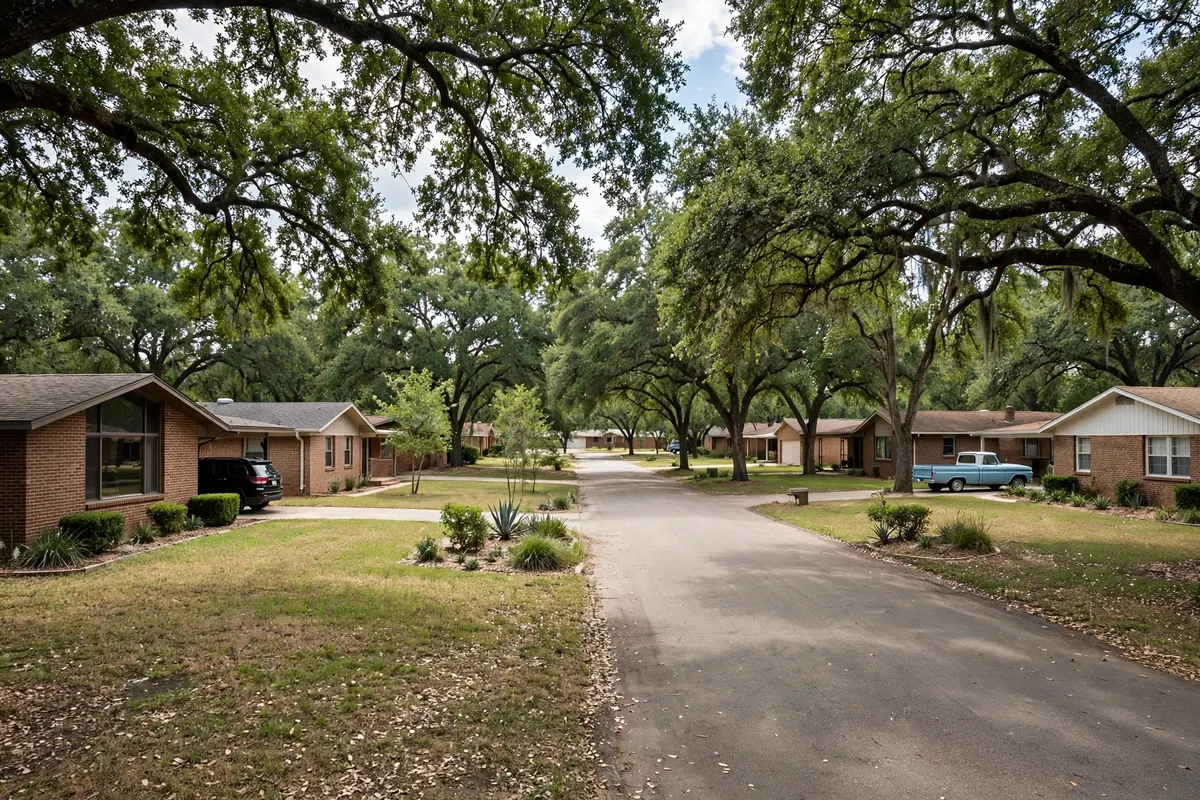
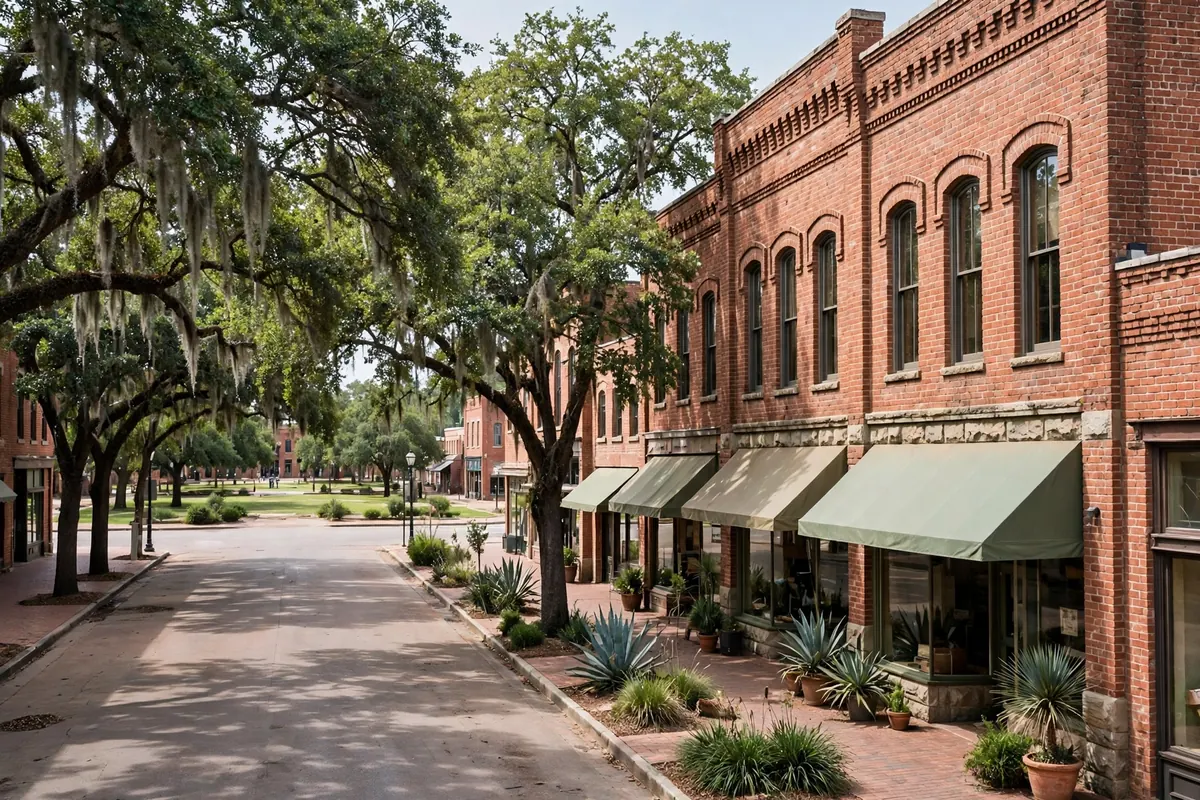
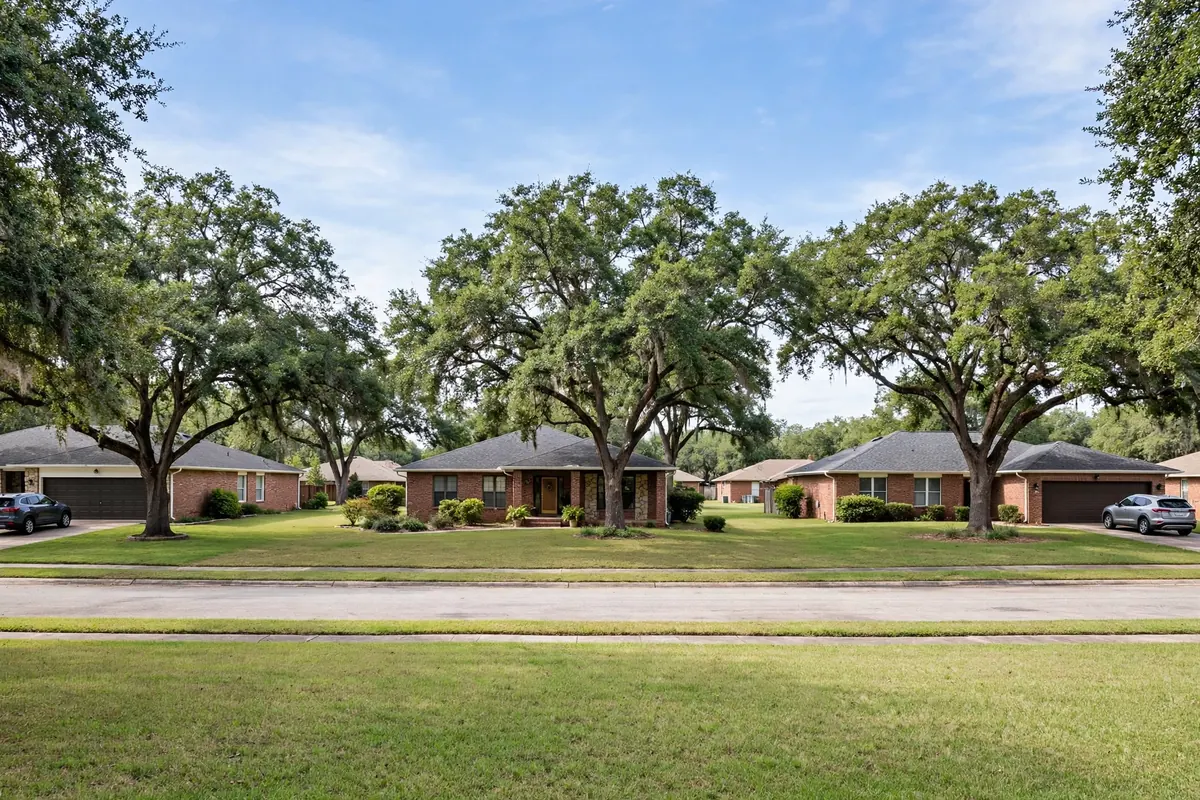
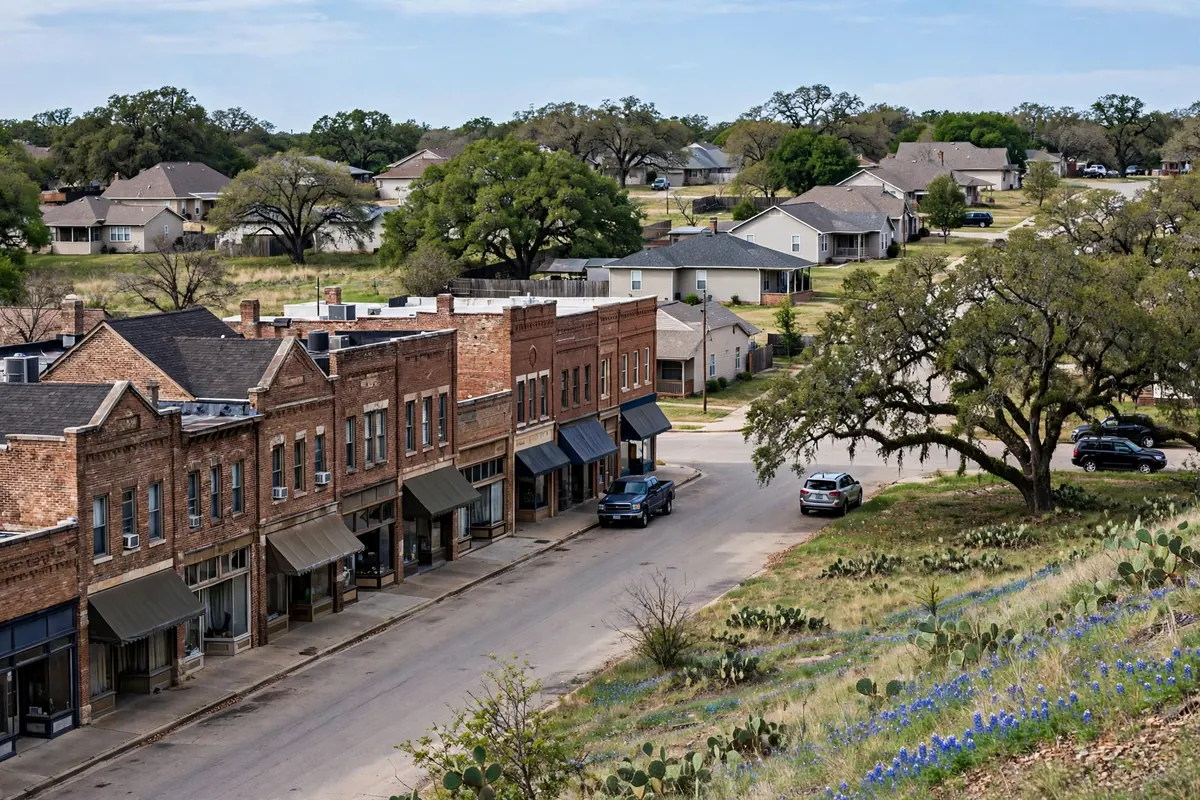
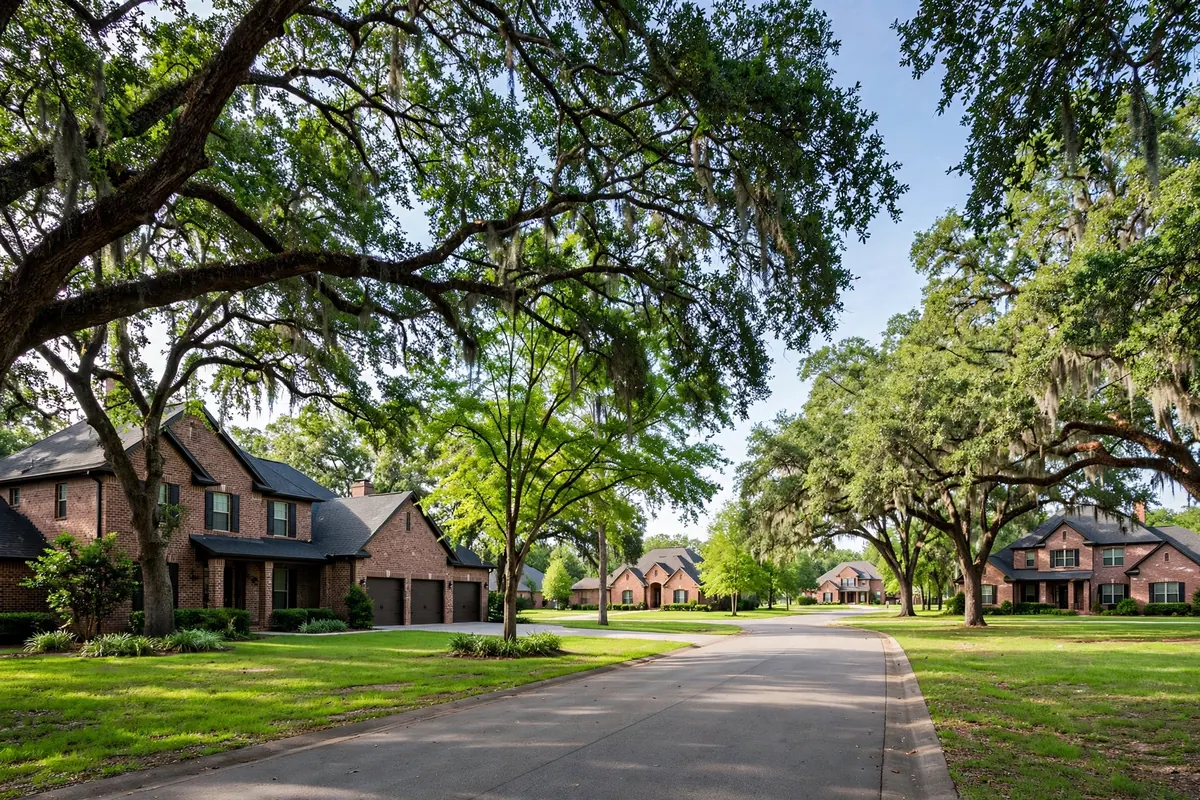
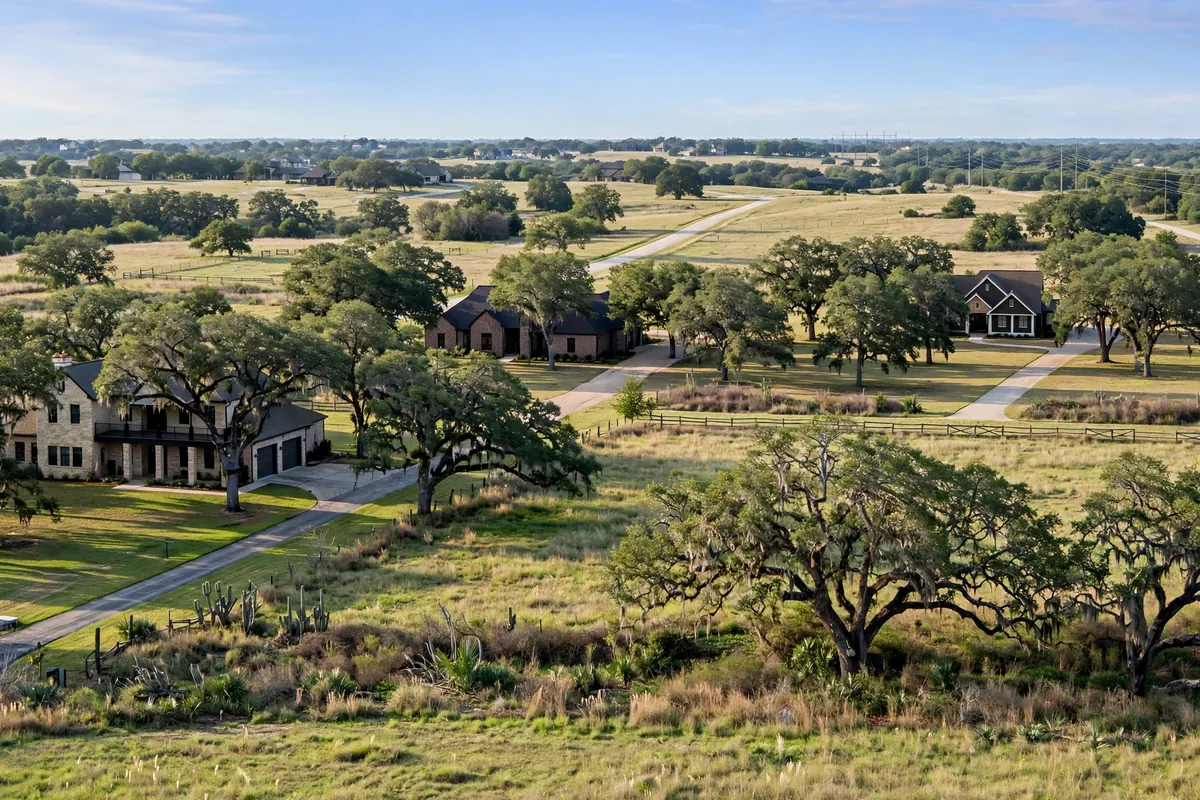
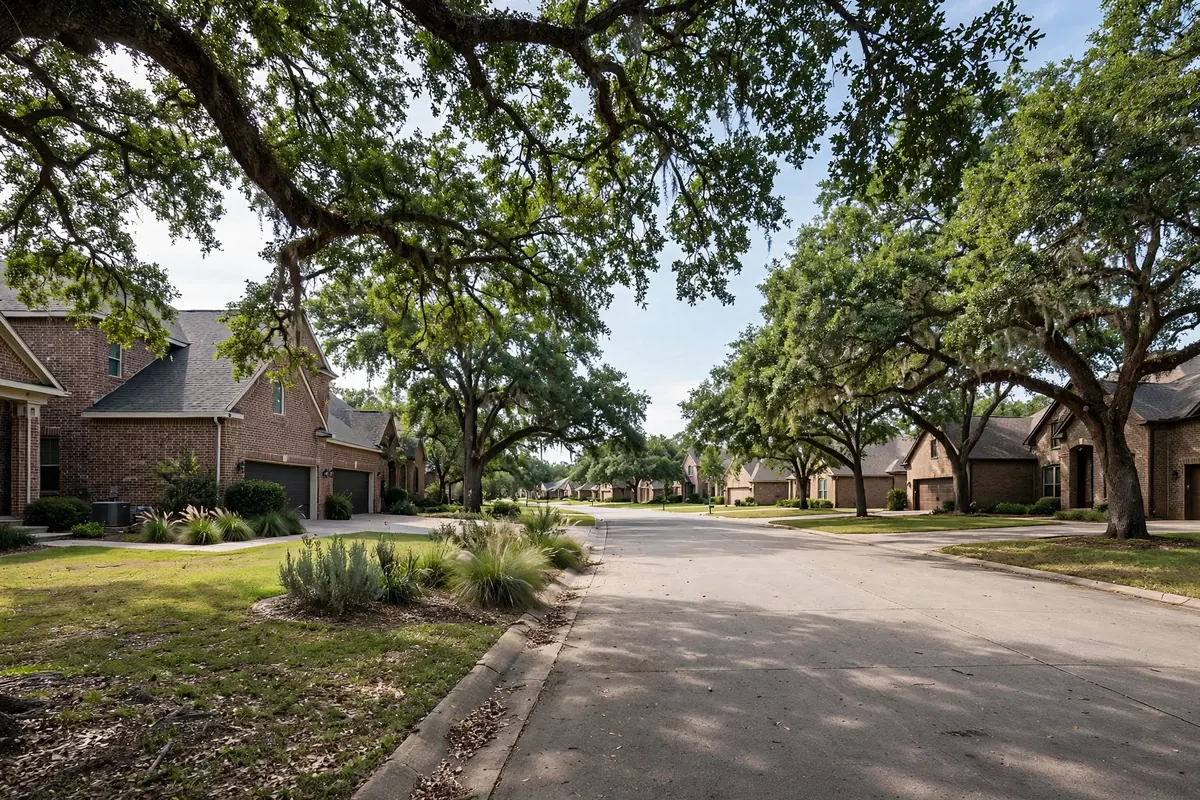
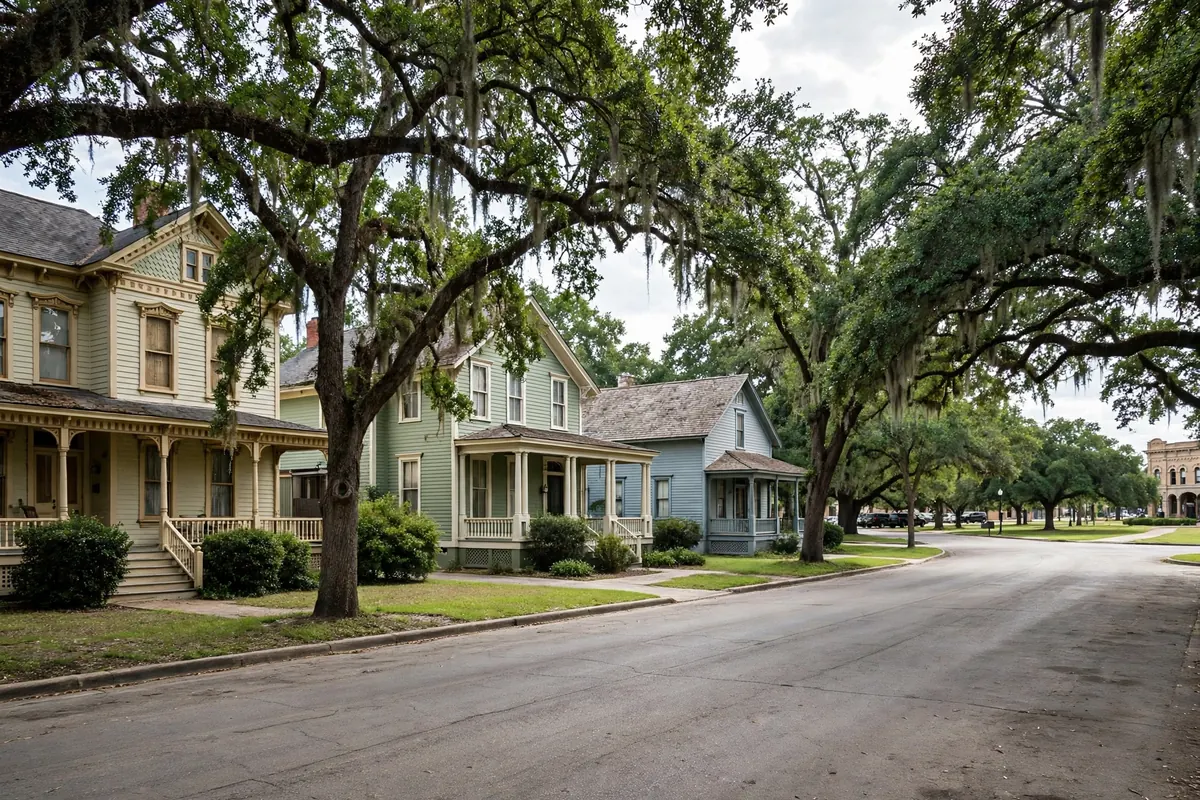
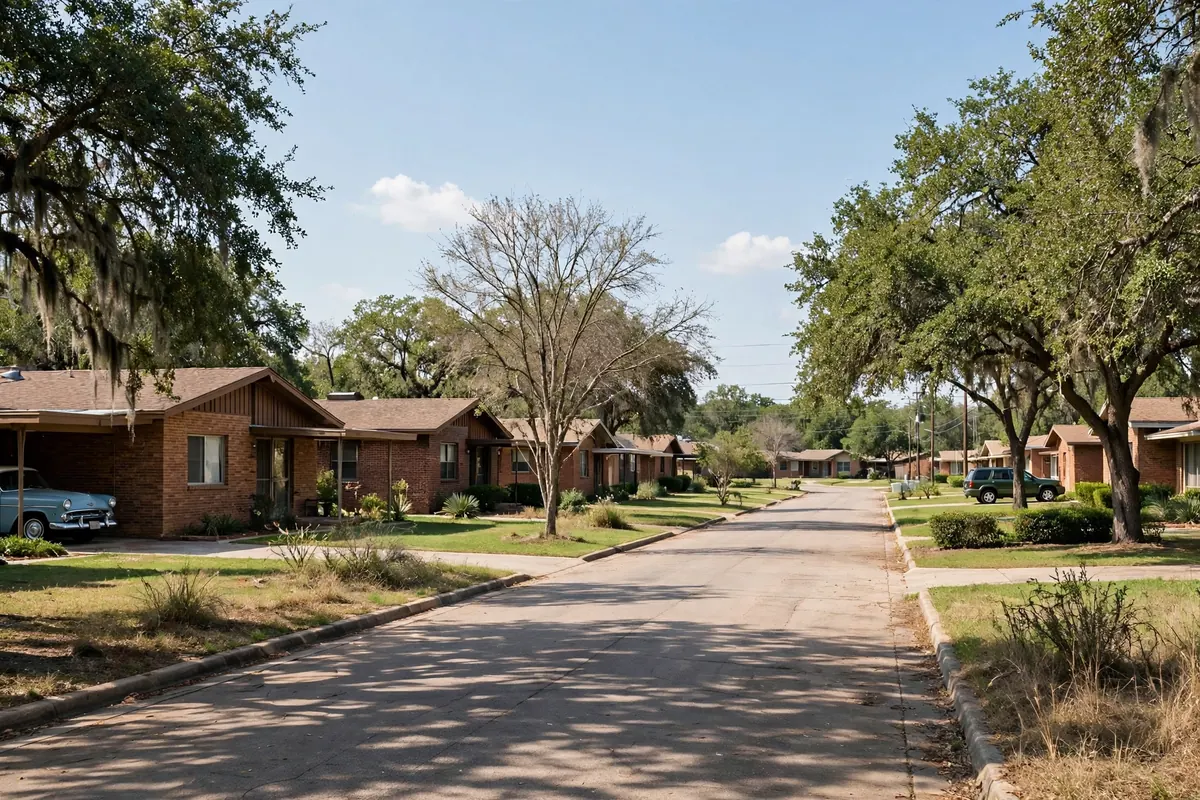
To the south and east of Plano, the suburbs are older. Richardson, Garland, and the streets near downtown Carrollton were built out in the 1950s through the 1980s, with brick ranches on conventional slabs and mature oaks that have been drinking from the same soil for decades. The slabs there have lived through fifty seasons of wet and dry, and the movement shows in stair-step brick cracks, sticking doors, and floors that slope toward one corner. The trees add a second force: a large oak near a corner can pull enough moisture out of the clay in a dry summer to drop that corner by itself.
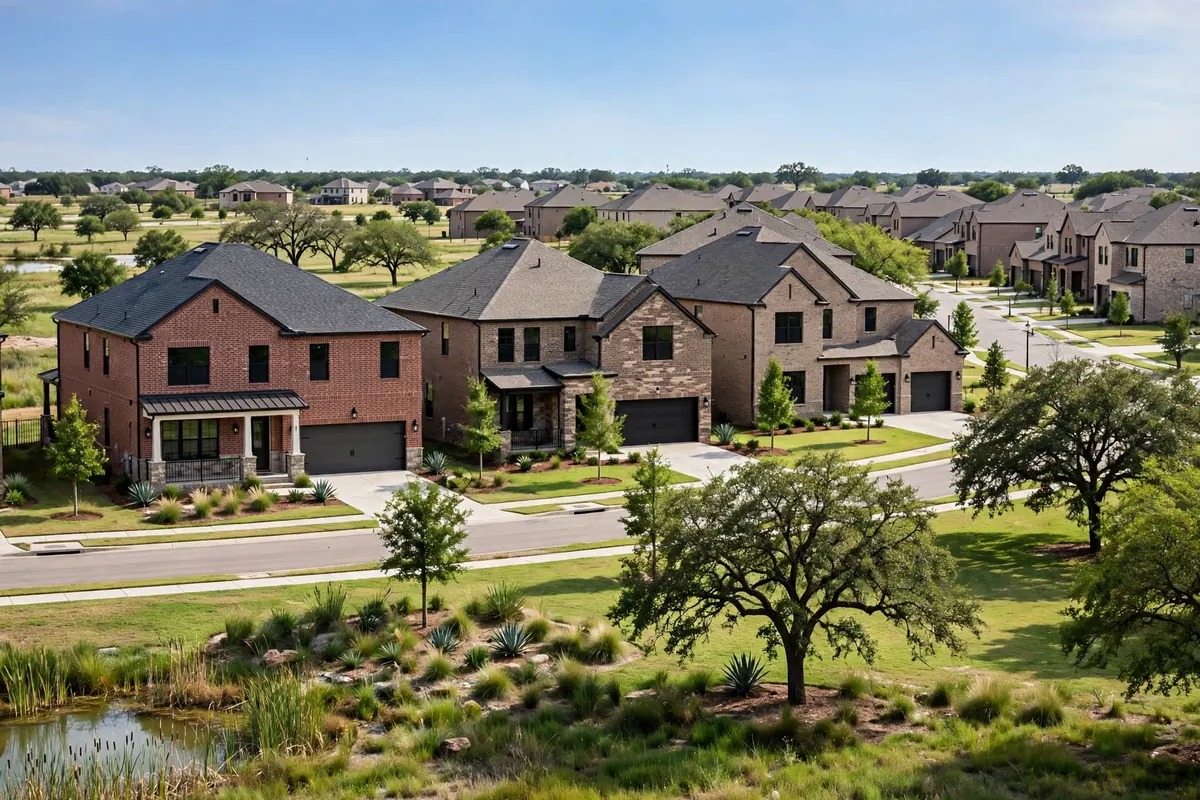
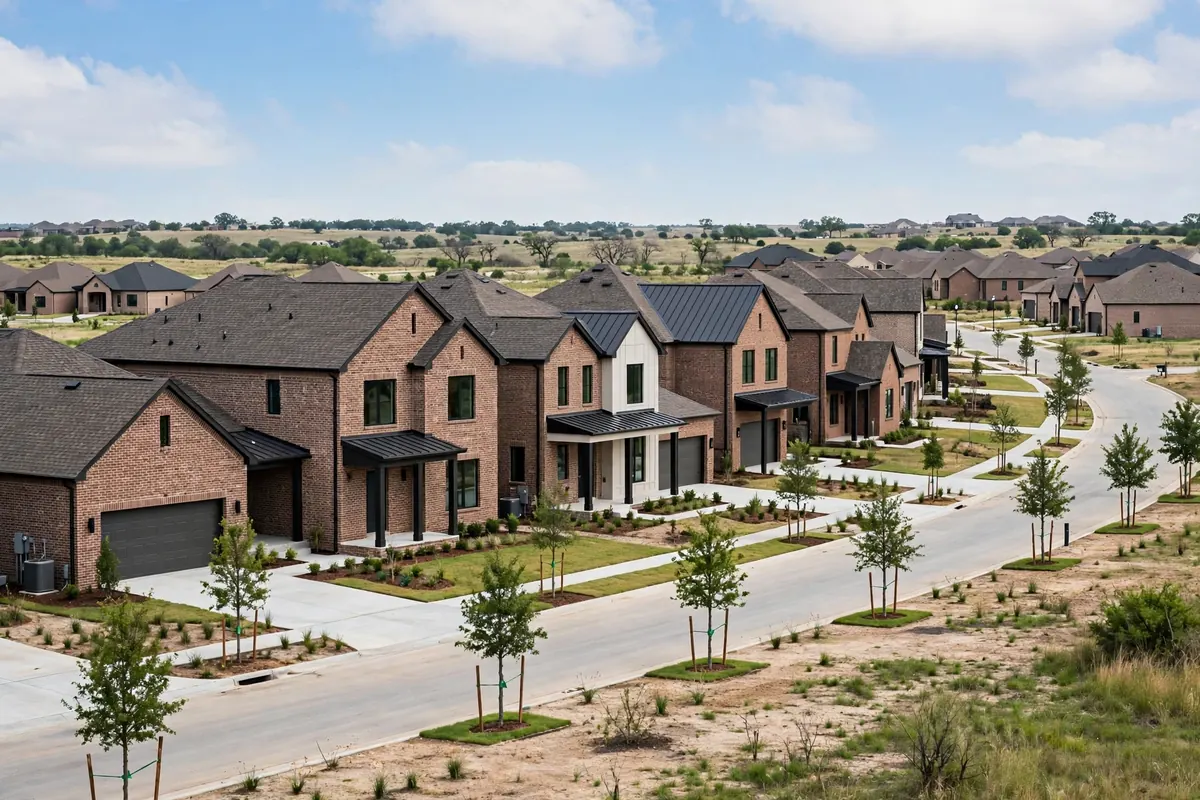
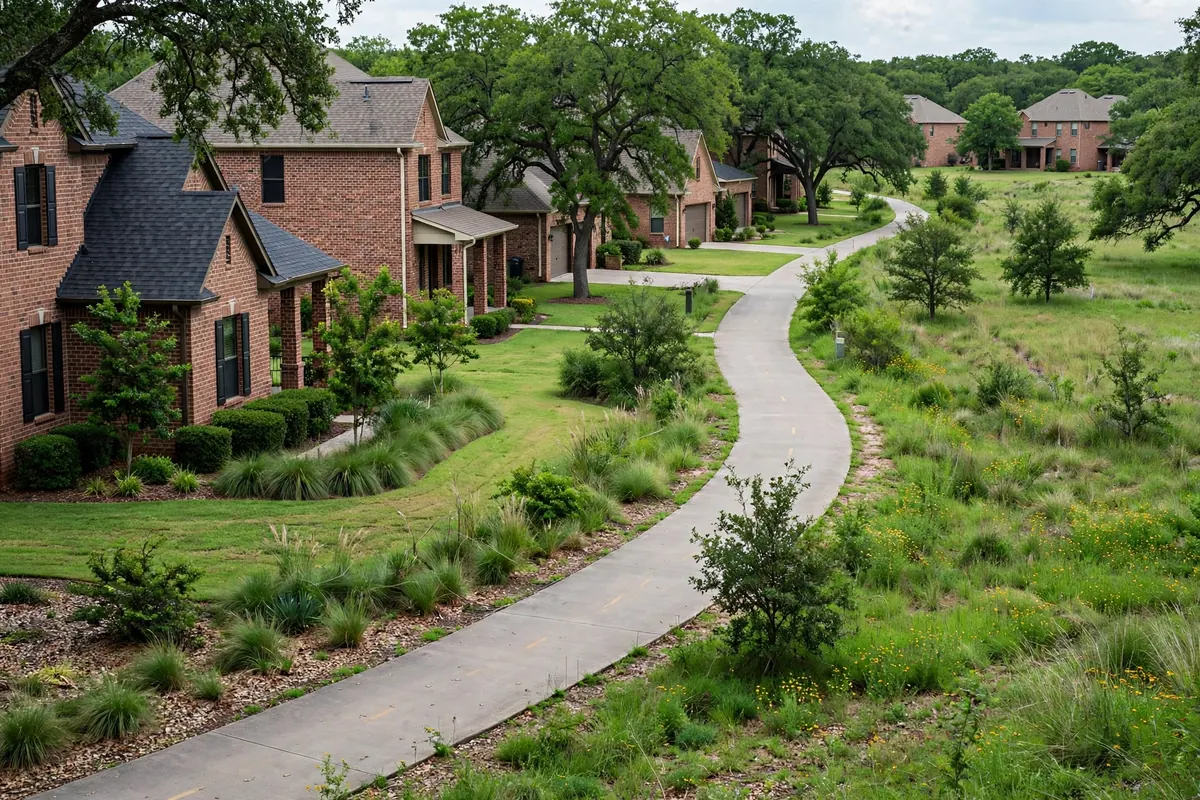
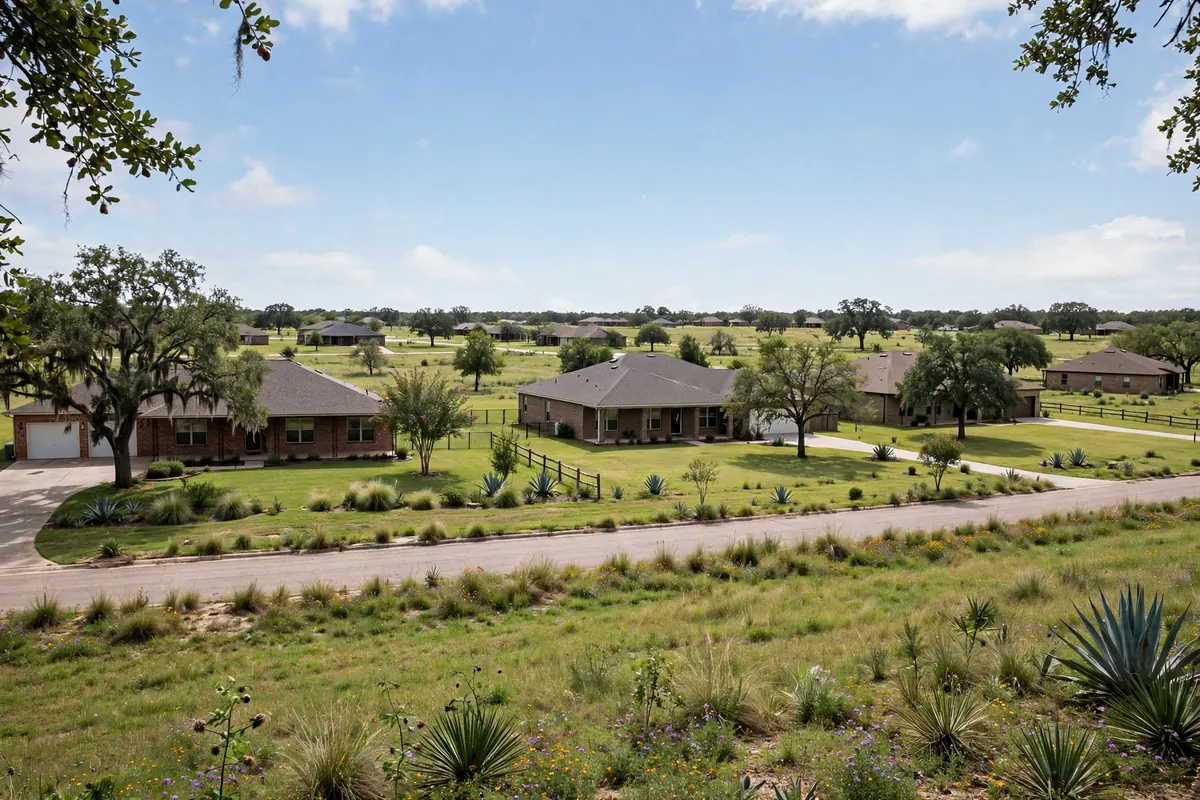
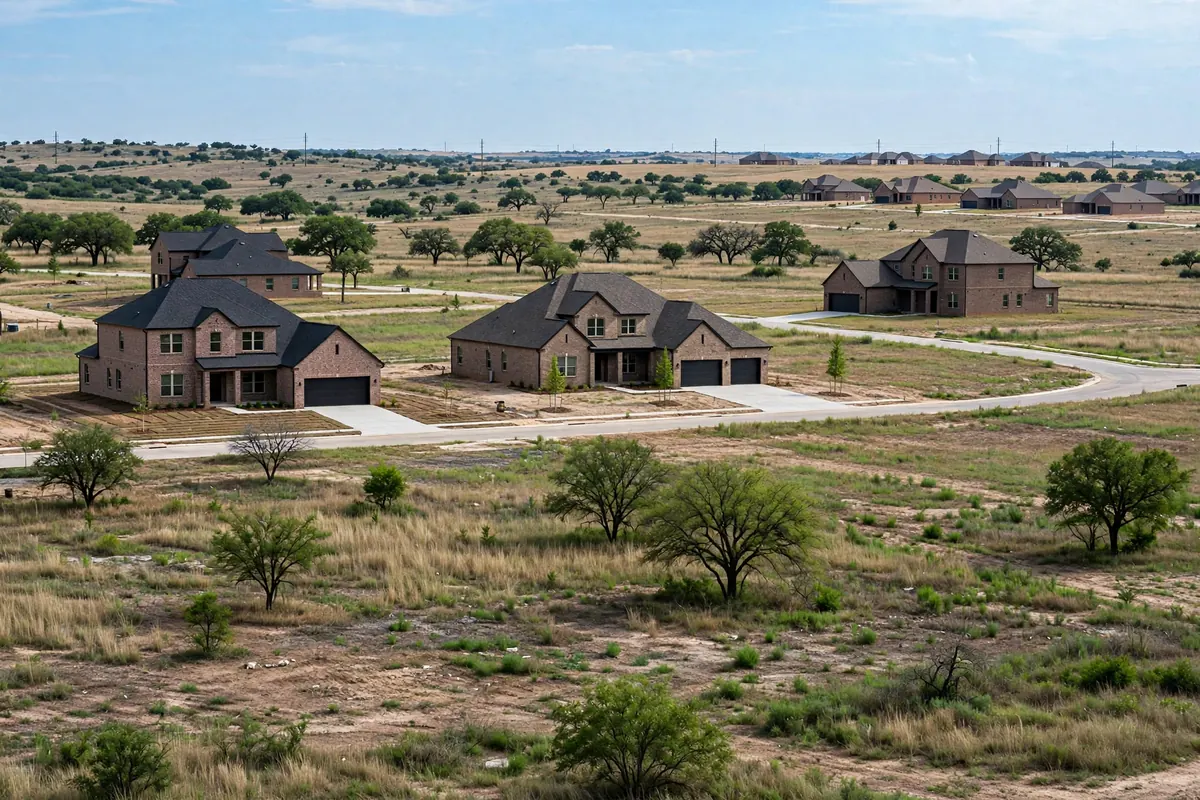
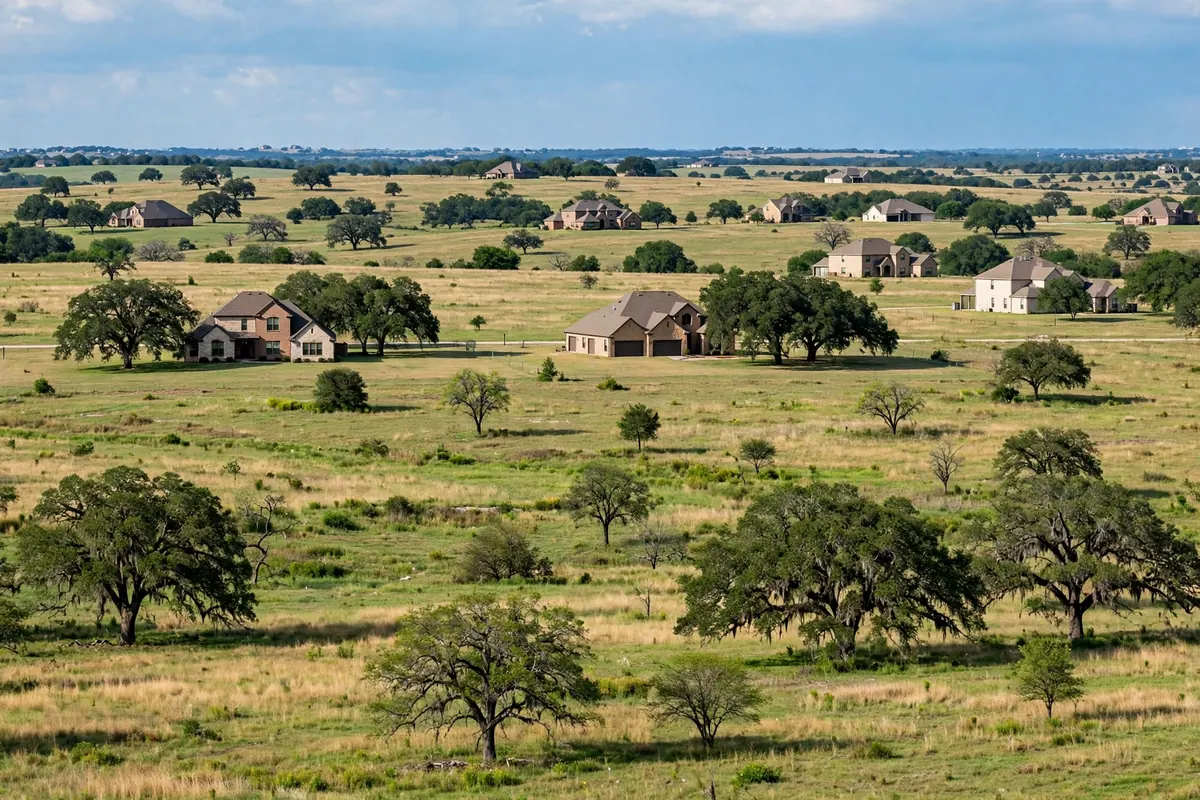
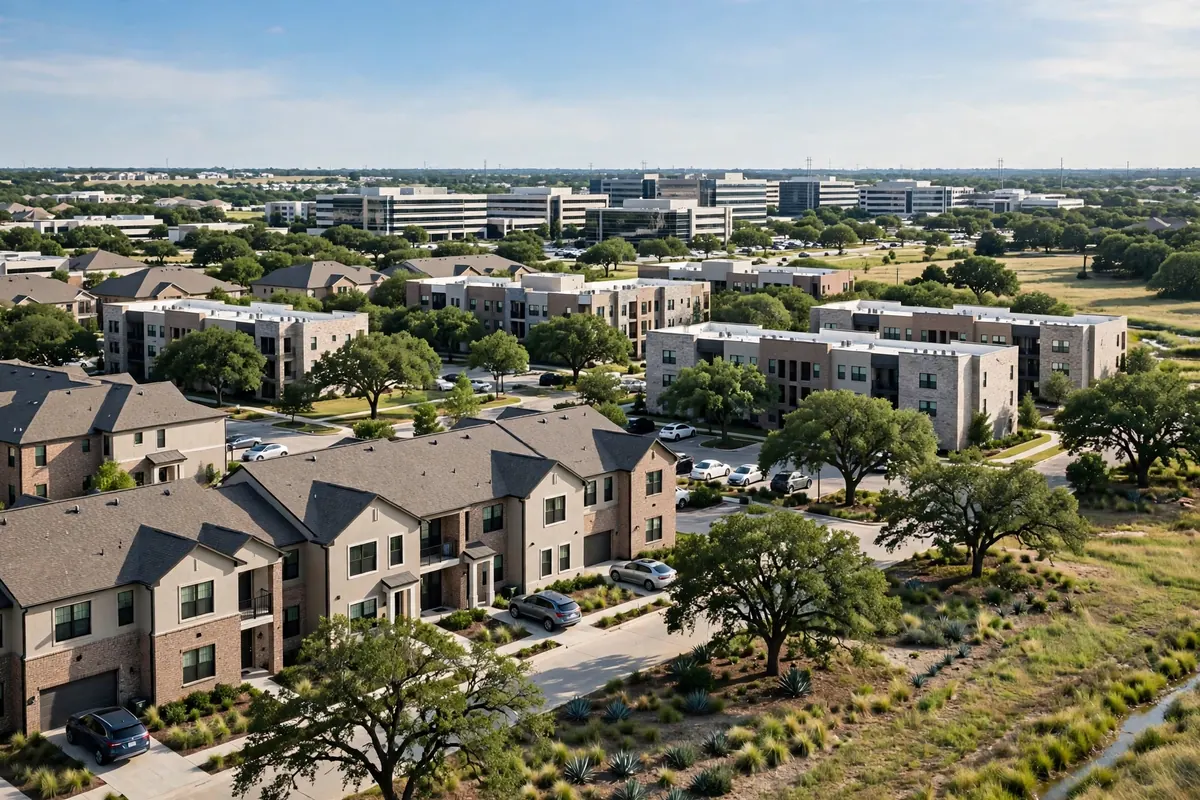
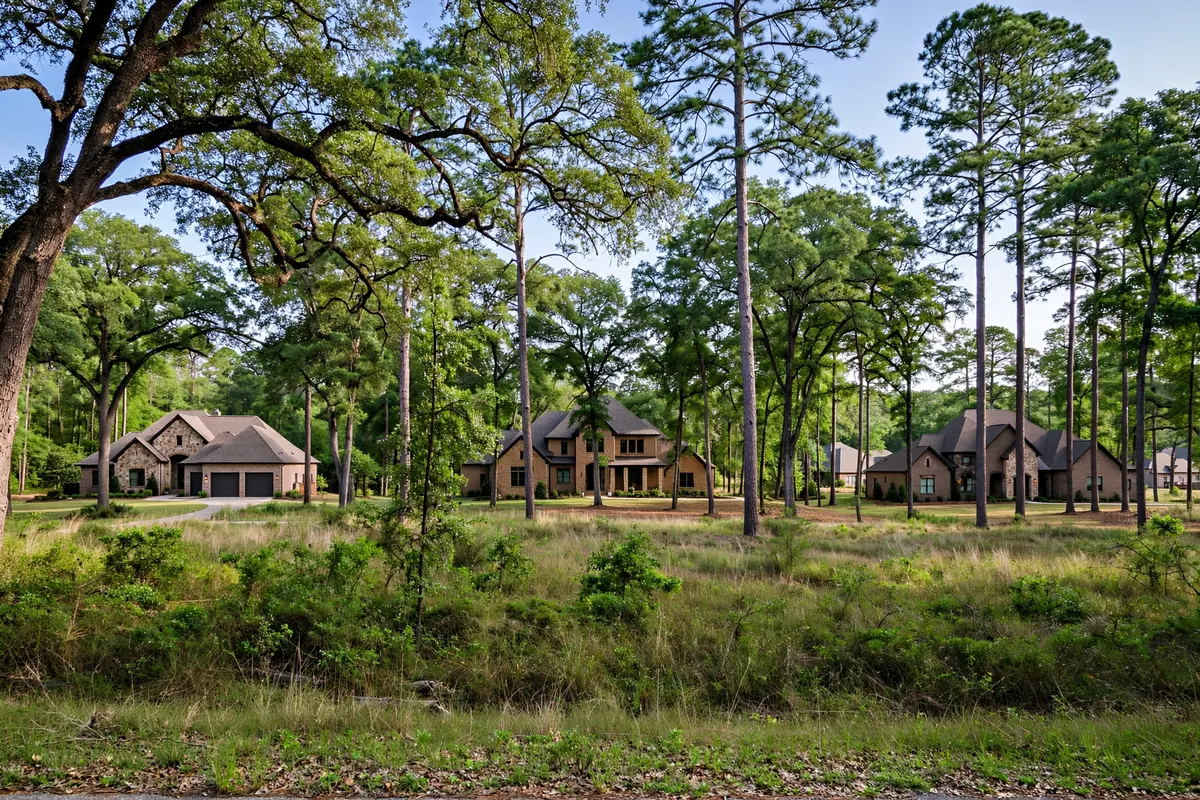
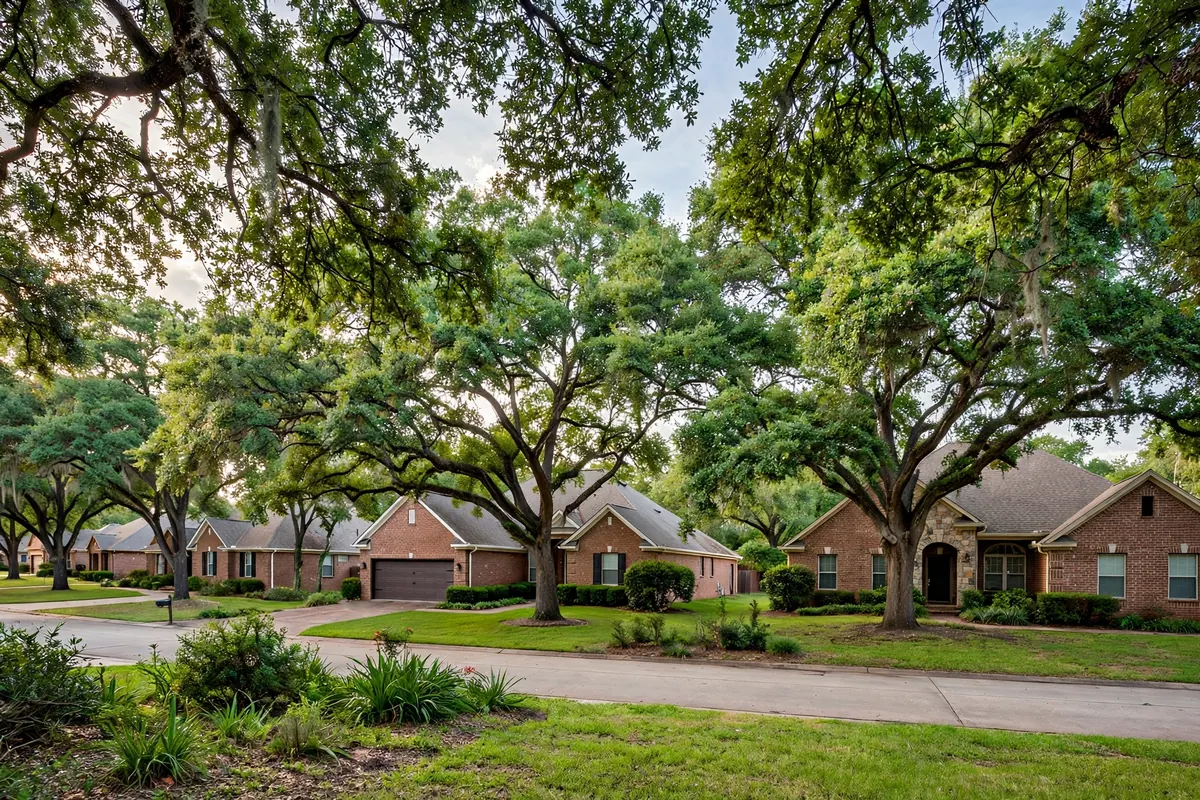
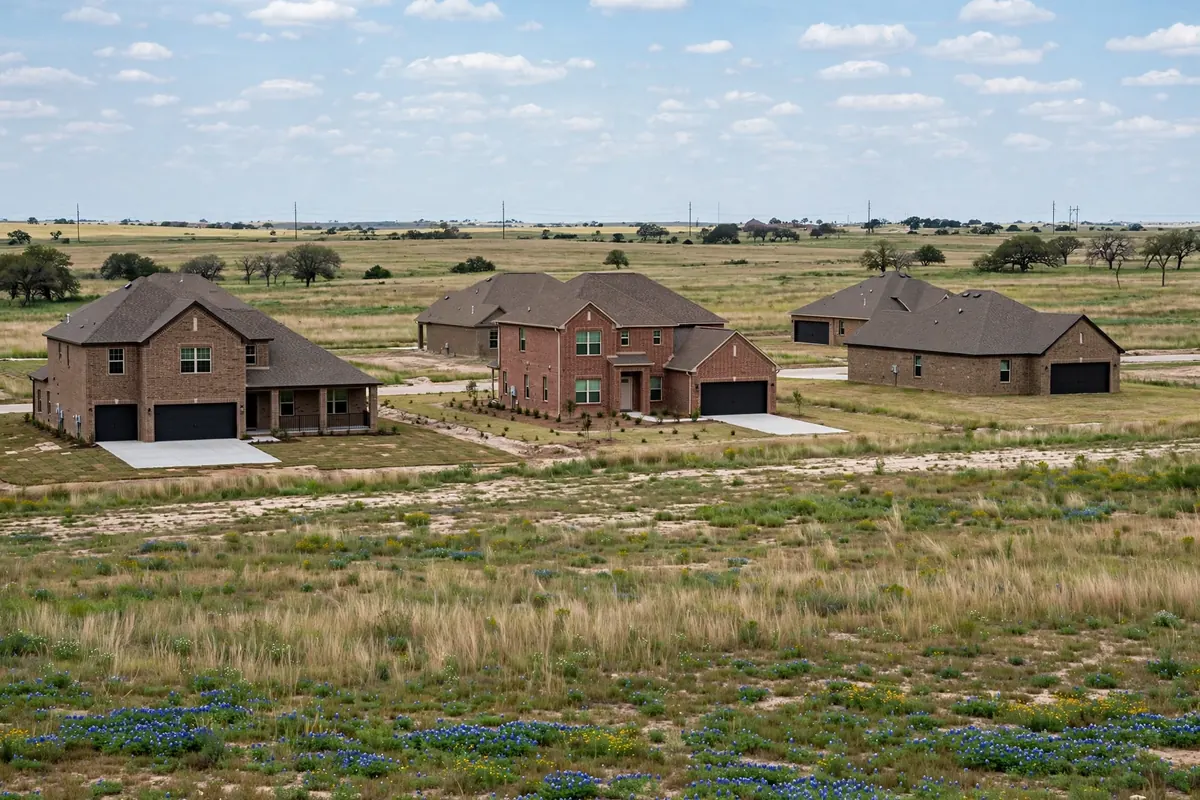
To the north and west, the growth is newer. Frisco, McKinney, Prosper, and the Colony filled in during the 1990s, 2000s, and 2010s, with master-planned communities on graded lots. The slabs are newer and the footings are deeper, but the lots were cut and filled before the homes went up, and a house that sits half on undisturbed clay and half on fill can settle unevenly in its first few seasons. The trees are young there, so grading, fill, and drainage do more of the moving than roots do, for now.
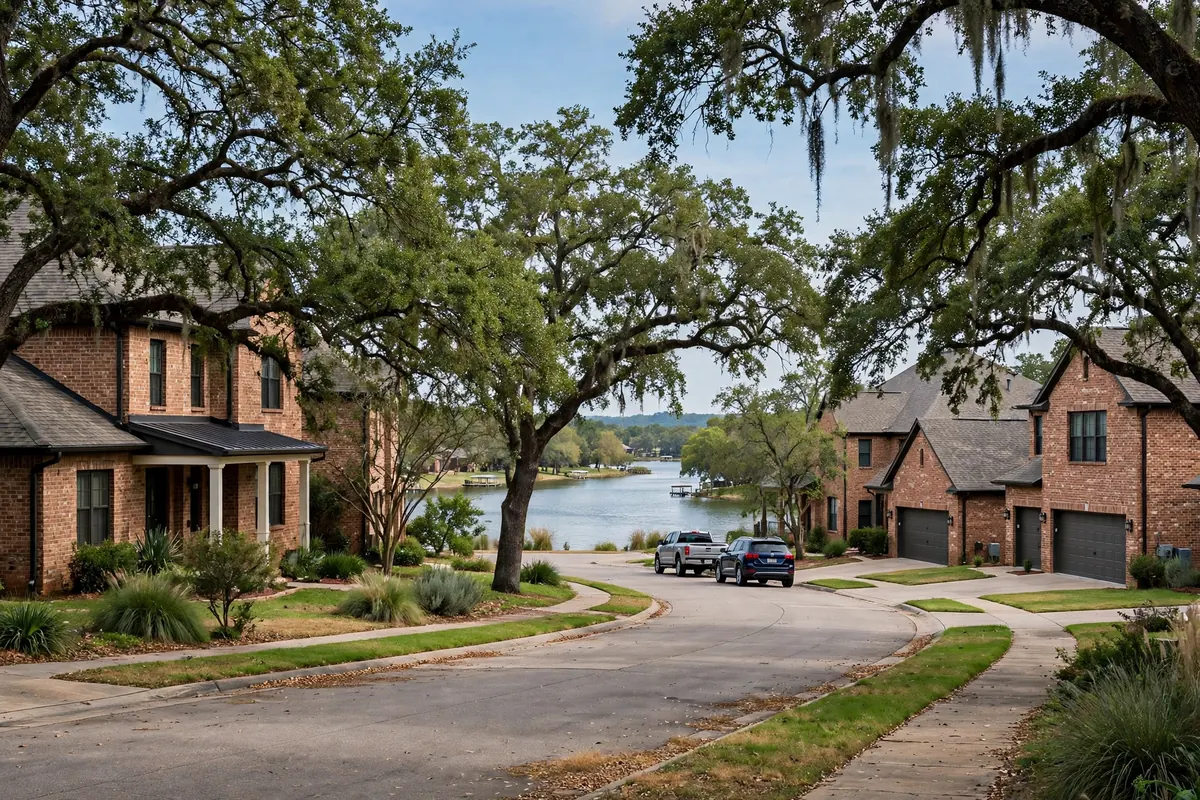
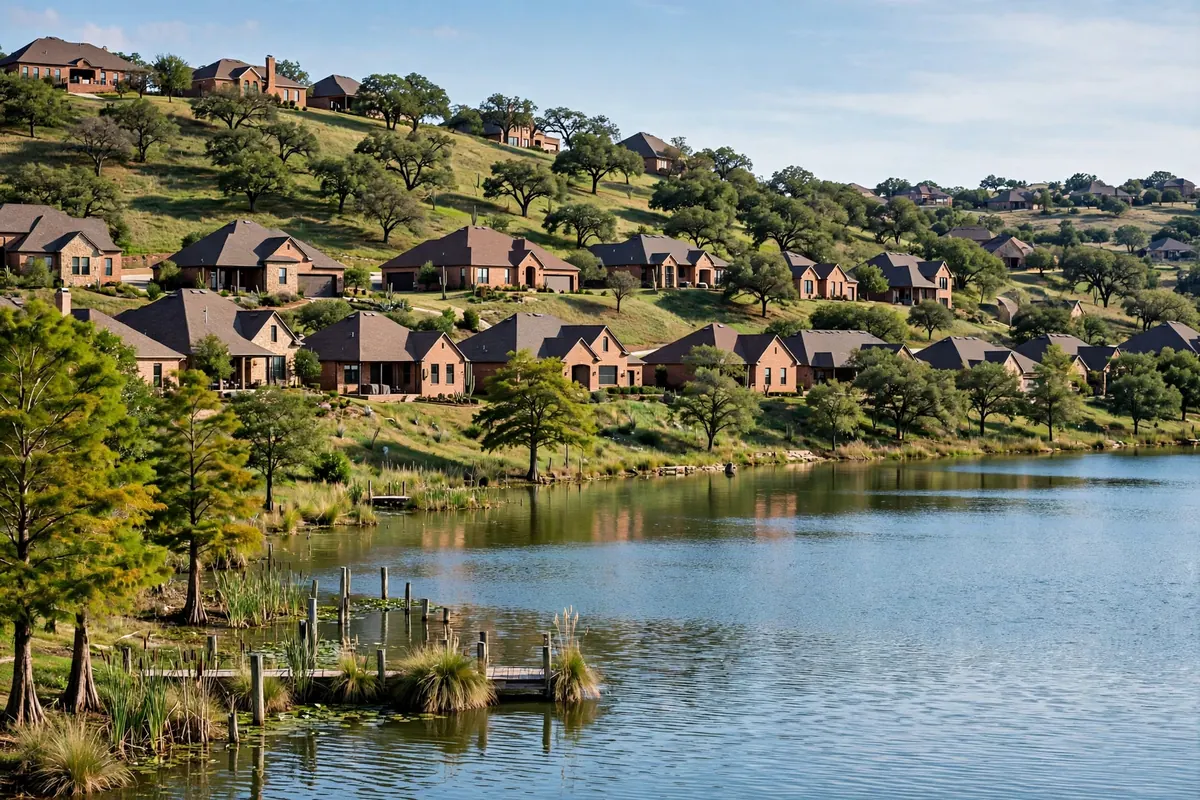
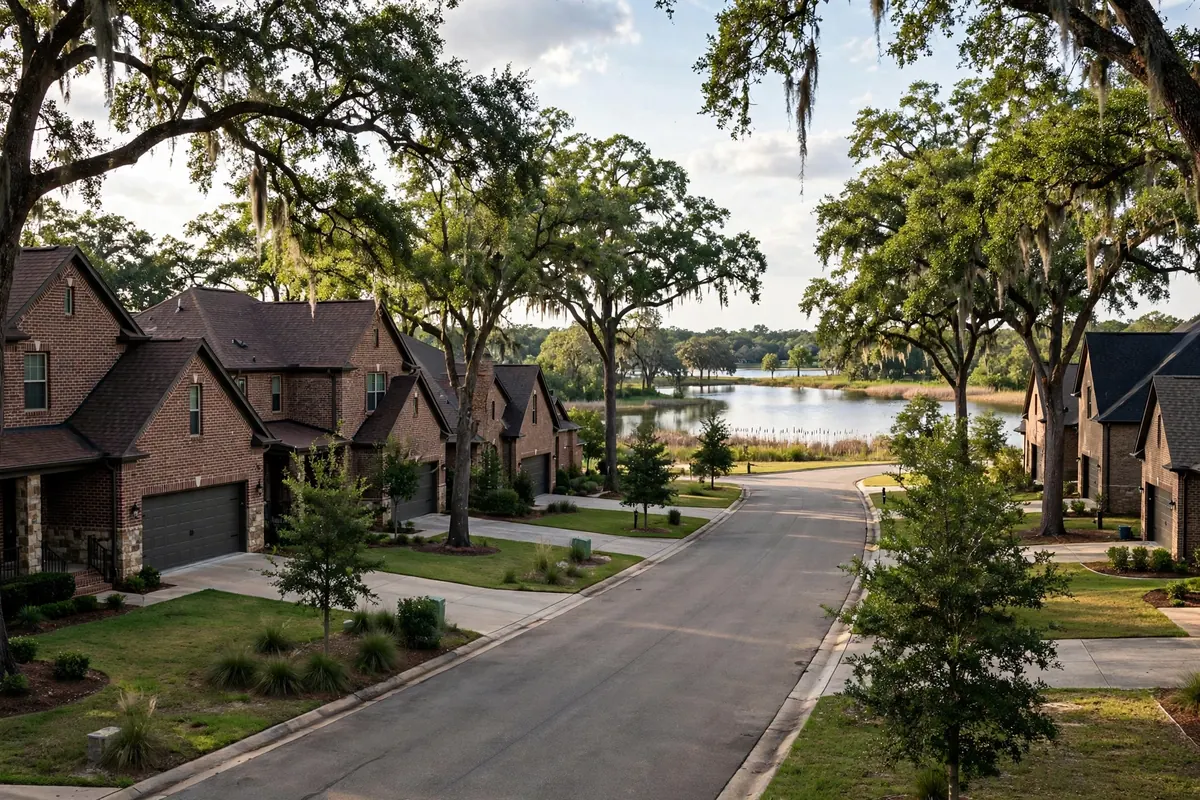
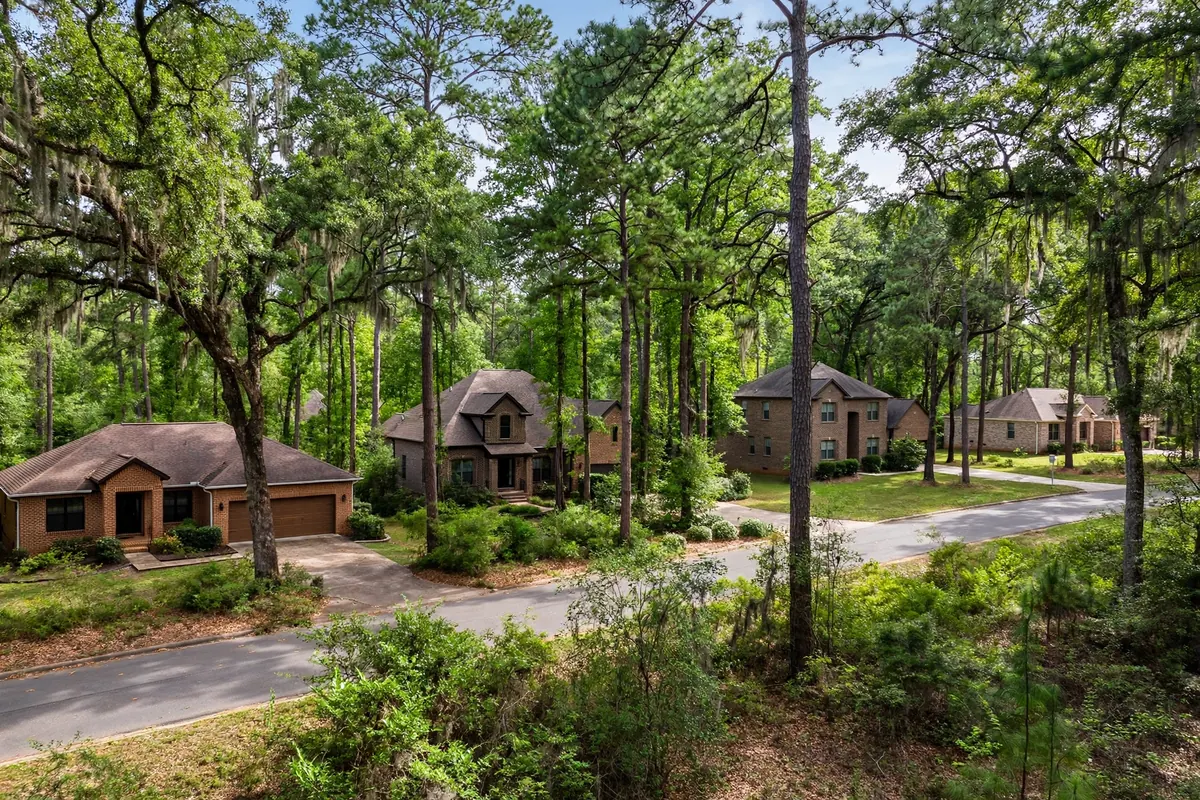
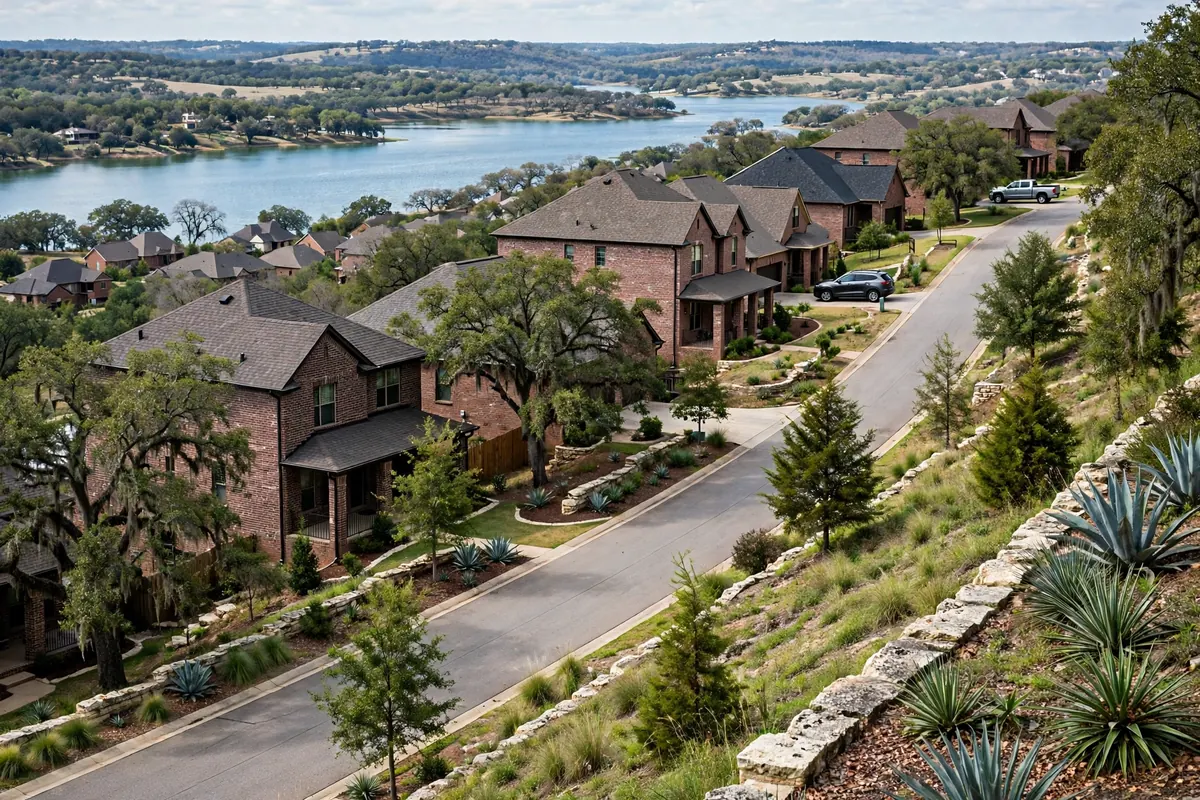
To the east, the lakes shape the ground. The Colony runs along Lake Lewisville, and Rowlett and Rockwall wrap around Lake Ray Hubbard. The soil near the shore stays damper than the inland streets, and the moisture swings follow the seasons and the water level. A crack that opens in a wet spring and closes in a dry fall is telling you the soil moisture is doing the moving, and it is worth measuring even if it looks small. Our guide to why Plano's clay soil cracks foundations walks through the soil behavior in plain words, and it applies street by street across the whole area.
Every city page below links to the services that fit that city, and every service page links back to the cities. If you are not sure which city your home falls in, the ZIP table further down this page lists every ZIP code we cover, and the contact page has the phone number and email to reach us directly.