Rowlett, TX
East along I-30, on the western shore of Lake Ray Hubbard.
Dallas County Foundation Repair
Garland sits about fifteen miles southeast of Plano, and it is one of the largest and oldest cities in the area. The streets near downtown go back to the 1950s, the Firewheel side grew in the 1990s and 2000s, and the east side runs down to the shore of Lake Ray Hubbard. Three ages of housing, one clay base, and a lake that keeps the air and the soil damp on one side of town.
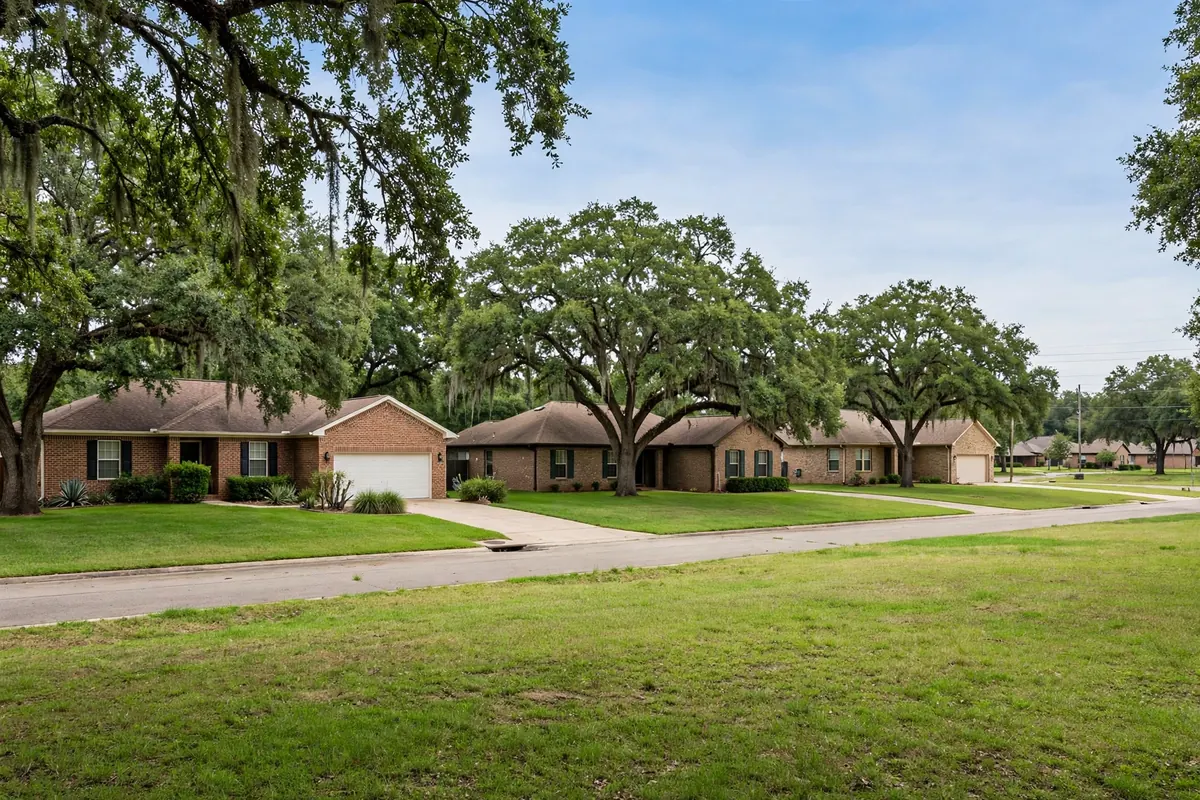
Garland is a big city with three distinct parts, and the ground changes as you drive across it. The streets near downtown and the historic square, in the 75040 and 75042 ZIP codes, were built in the 1950s through the 1970s. The homes are brick ranches on conventional slabs, with mature trees and deep lots. The clay underneath is the same heavy Blackland Prairie clay that moves Plano foundations, and after fifty or sixty seasons of wet and dry, those slabs carry the wear in their walls and floors.
The Firewheel side, in the 75040 ZIP code, grew in the 1990s and 2000s around Firewheel Town Center and the golf course. The homes are larger, many of them two-story, on newer slabs with deeper footings. The lots were graded for the development, and the fill under some of them is still settling. The trees are younger here, so drainage and grading do more of the moving than roots do.
The east side, in the 75043 ZIP code, runs down to Lake Ray Hubbard. The homes near the shore sit on ground that stays damper than the rest of the city, and the lake breeze keeps the soil from drying out as hard in summer. That sounds like a help, and in some ways it is, but the moisture swings near the shore can still move a slab, and the peninsulas and coves around the lake have their own grading and fill. Duck Creek runs through the south side too, and the streets near the creek have the same damp-ground character.
Our guide to what causes foundation problems in Collin County covers the clay in detail, and the same soil behavior applies across the county line in Garland. The inspection looks at the lot as well as the house, because the cause in a downtown ranch and the cause in a Firewheel two-story are rarely the same, even though the repair method often is. When the soil itself needs help, soil stabilization is sometimes part of the answer.
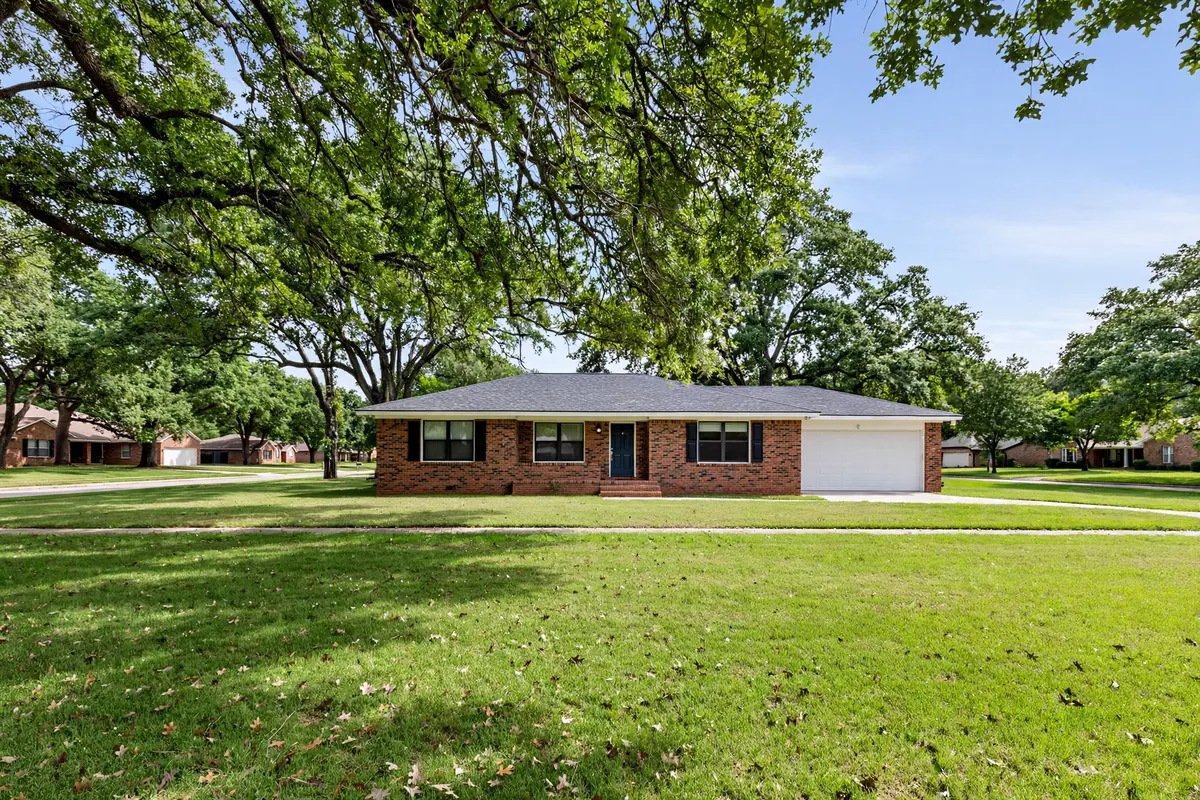
In the older streets near downtown, the first sign is usually a stair-step crack in the brick. The crack follows the mortar joints near a window corner or a door frame, and it shows that one part of the wall is settling while the rest holds. A single hairline crack can sit still for years, but a crack that widens past a quarter inch deserves a closer look. Our guide to signs your Plano home's foundation is moving covers the same warning signs, and they read the same way on a Garland ranch.
Doors that stick are the second common sign, because owners touch them every day. A door that used to close cleanly and now rubs at the top corner is often the first thing noticed, and it usually goes with a slab corner that has dropped. Floors that slope, gaps at the baseboards, and windows that stick on one side all point the same way. The pattern matters more than any single mark: several signs on the same corner, or signs that keep getting worse through a dry summer, point to movement that is still going on.
On the Firewheel side, the signs are often sharper. A two-story home shows its movement at the corners, with stair-step cracks and second-floor windows that stick. A garage floor that has pulled away from the house wall, or a driveway section that has dropped, points to the fill under the lot settling. Those are worth measuring early, because a small crack in a newer home is simpler to correct than a large one in an older home.
Near the lake, the signs can be slower. The ground stays damper, so the clay does not shrink as hard in summer, but the moisture swings can still move a slab over time. A crack that opens in a wet spring and closes in a dry fall is telling you the clay is doing the moving, and a foundation crack repair visit looks at the crack and the floor readings together, so the fix matches the cause.
Book an inspection and get floor readings and a written plan before you decide anything.
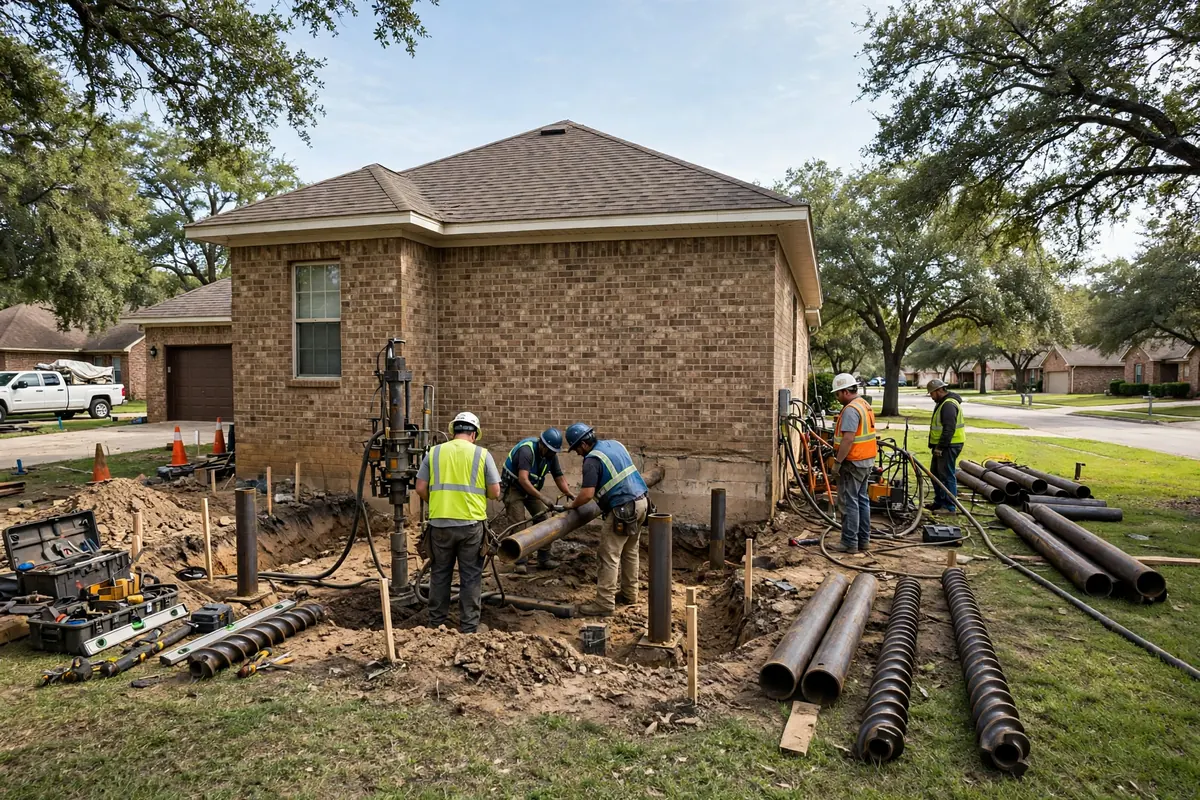
Most Garland repairs come down to steel piers. The pier is driven beside the footing down to firm, load-bearing ground, a bracket is set under the footing, and the home is lifted back toward level in small steps while we watch the elevation readings. Because the piers reach past the moving clay, the repair holds through the wet and dry cycles that caused the problem. You can read how the method works on our steel pier installation page, and how it fits a slab home on our concrete slab foundation repair page.
Water is the other half of most Garland jobs. Gutters that dump at the foundation, a yard that slopes toward the house, or a low spot that holds water after rain all feed the clay right where it does the most harm. Drainage correction moves that water away, and it is often the step that keeps a pier repair holding for the long run. Near Duck Creek and the lake, that drainage work matters even more, because the ground is already damp.
Some Garland homes are pier and beam, especially the oldest ones near downtown. Those are repaired from the crawl space, by replacing failed piers and shimming the beams back to level, and the crawl space side of that work is on our crawl space repair page. The pier and beam work itself is on our pier and beam foundation repair page.
Where a driveway, patio, or sidewalk slab has sunk on its own, concrete lifting and leveling can raise it back without tearing it out. And where the whole house needs to come back to level rather than just be supported, our house leveling and lifting page covers that work. Every job starts with readings, and the plan follows the elevation map.
Garland covers five main ZIP codes. The 75040 side holds north Garland and the Firewheel area, with Firewheel Town Center, the golf course, and the newer homes around them. The 75041 side holds the south-central city near Garland Road and the I-635 corridor. The 75042 side holds the central city, with downtown, the Belt Line Road corridor, and the older streets around Forest Lane and Jupiter Road. The 75043 side holds the southeast and the Lake Ray Hubbard shore, with Duck Creek, Club Hill, and the lakefront streets. The 75044 side holds the northeast, with Spring Creek, Big Oaks, and the neighborhoods near the Richardson and Plano lines.
The neighborhoods each have their own feel. Firewheel Estates and the Hills of Firewheel are the newer side, with larger homes and the town center close by. Spring Park is an established community with pools and tennis courts. Duck Creek is the original settlement area, with older homes near the golf course. Club Hill sits near the lake with waterfront streets. Oakridge and the Greens are established neighborhoods near the parks. Buckingham and La Prada are family streets on the north and south sides.
The roads that tie Garland together are State Highway 78, I-30, I-635, Belt Line Road, Forest Lane, Jupiter Road, and Garland Road. The landmarks owners use to place a street are Firewheel Town Center, Lake Ray Hubbard, the downtown Garland square, the Granville Arts Center, Spring Creek Forest Preserve, and the Curtis Culwell Center. If your home sits near one of those, we know the streets around it.
We work across all five Garland ZIP codes, and across the border into Rowlett to the east and Sachse to the north, so a home near the city line is covered the same as one in the middle of town.
| Neighborhood | ZIP | What to know |
|---|---|---|
| Firewheel Estates | 75040 | Newer homes near Firewheel Town Center and the golf course. |
| Hills of Firewheel | 75040 | Established streets on the north side near the Firewheel development. |
| Spring Park | 75044 | Community with pools and tennis courts in northeast Garland. |
| Duck Creek | 75043 | Original settlement area with older homes near the golf course. |
| Club Hill | 75043 | Lakeside streets near Lake Ray Hubbard on the east side. |
| Oakridge | 75040 | Established neighborhood near Duck Creek Golf. |
| Buckingham | 75044 | Family streets on the north side near Buckingham Road. |
| La Prada | 75043 | South Garland homes near I-30 and the La Prada corridor. |
| Southgate | 75041 | Ranch-style homes near I-30 on the south side. |
| Historic Downtown Garland | 75042 | The downtown square and the older streets around it. |
The ground near the lake stays damper than the rest of the city, so the clay does not shrink as hard in a dry summer. A crack that opens in a wet spring and closes in a dry fall is telling you the clay is doing the moving, and it is worth measuring even if it looks small.
Garland has a large stock of brick homes built in the 1950s through the 1980s, and brick shows slab movement in a very visible way. When one corner of a slab drops, the wall above it is pulled down at that corner, and the mortar cracks in steps as the wall flexes. That is why the fix starts with the slab, not with the brick.
The Firewheel side is newer, with larger homes and deeper footings, but the lots were graded for the development and the fill under some of them is still settling. A small crack in a newer home is worth a look, because catching settlement early is simpler than correcting it after several more seasons. The clay under Firewheel is the same clay as under downtown.
Look at the brick first, then the floors. Stair-step cracks outside, sticking doors inside, and a living room floor that slopes all point the same way. Ask the inspector for floor elevation readings, and walk the yard after a rain if you can, to see where the water goes. Old, quiet cracks with level floors are one thing; fresh cracks with a sloping floor are another.
They do, because the houses are from different eras. Firewheel Estates and the Hills of Firewheel hold newer, larger homes on graded lots, so fill settlement in the first seasons is the usual story. Duck Creek is the original settlement area, with older homes near the golf course that have had decades of wet and dry cycles. An inspection reads each home on its own floors and walls.
Last updated November 24, 2026
Call or book an inspection and we will measure your floors and walk the exterior with you, so you know what you are dealing with.