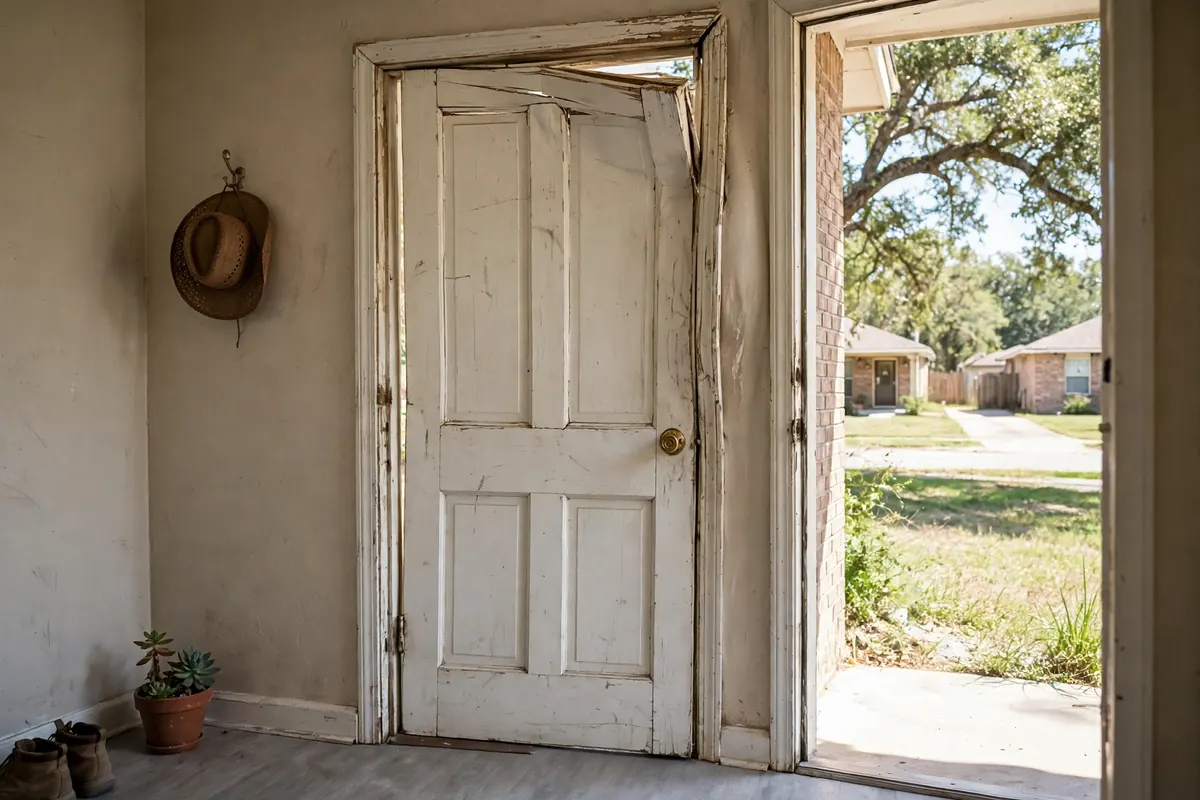
Signs Your Plano Home's Foundation Is Moving
Doors sticking, cracks in brick, and floors that slope are the early signs of foundation movement in a Plano home. Learn what each sign means and when to act on it.
Read the guide
Plain-word guides on the clay under Plano, the signs of movement, the repair methods, and the decisions around buying, selling, and looking after a home.
Every home in Plano sits on the same dark clay, and every homeowner in the city asks the same kinds of questions when the doors start sticking or a crack steps through the brick. These guides answer those questions in plain words, with the soil, the weather, and the housing of this area in mind. They are written for the homeowner standing in front of a crack, or sitting at a kitchen table with a seller disclosure, or walking a new house for the first time and wondering what to look for.
The guides start with the signs, because the signs are what most people notice first. A door that will not latch, a stair-step crack in the brick, a floor that slopes a little toward one wall: each one is a clue, and the guides explain what each clue usually means and which ones call for an inspection soon. From there they move to the causes, because a sign is easier to read when you know what made it. The clay cycle is the main cause in Plano, and the guides explain how wet springs and dry summers move the ground under a house, why some streets feel it more than others, and what steady watering and good drainage do to calm it down.
Repair is the third thread. The guides explain steel piers, helical piers, foam lifting, and the shimming work under a pier and beam home, so that when a crew talks through a plan, the words make sense and the choices are clear. They also cover the schedule, the stages of a job, and what the house feels like while the work is happening, because a homeowner who knows the rhythm of a job worries less about the noise and the holes in the yard. Buying and selling get their own guides too, because a foundation question changes shape when a sale is involved, and the disclosure form, the inspection report, and the repair records all matter in a different way when a buyer is on the other side of the table.
Read the guides in any order. Each one stands on its own, and each one links to the guides that follow naturally from it, so you can go deeper on the topic that matches your house. And when the reading is done and you want numbers instead of words, an inspection is the next step: elevation readings across every room, a walk around the brick and the grading, and a written plan that tells you what your house needs and what it does not.
Doors sticking, cracks in brick, and floors that slope are the early signs of foundation movement in a Plano home. Learn what each sign means and when to act on it.
Read the guide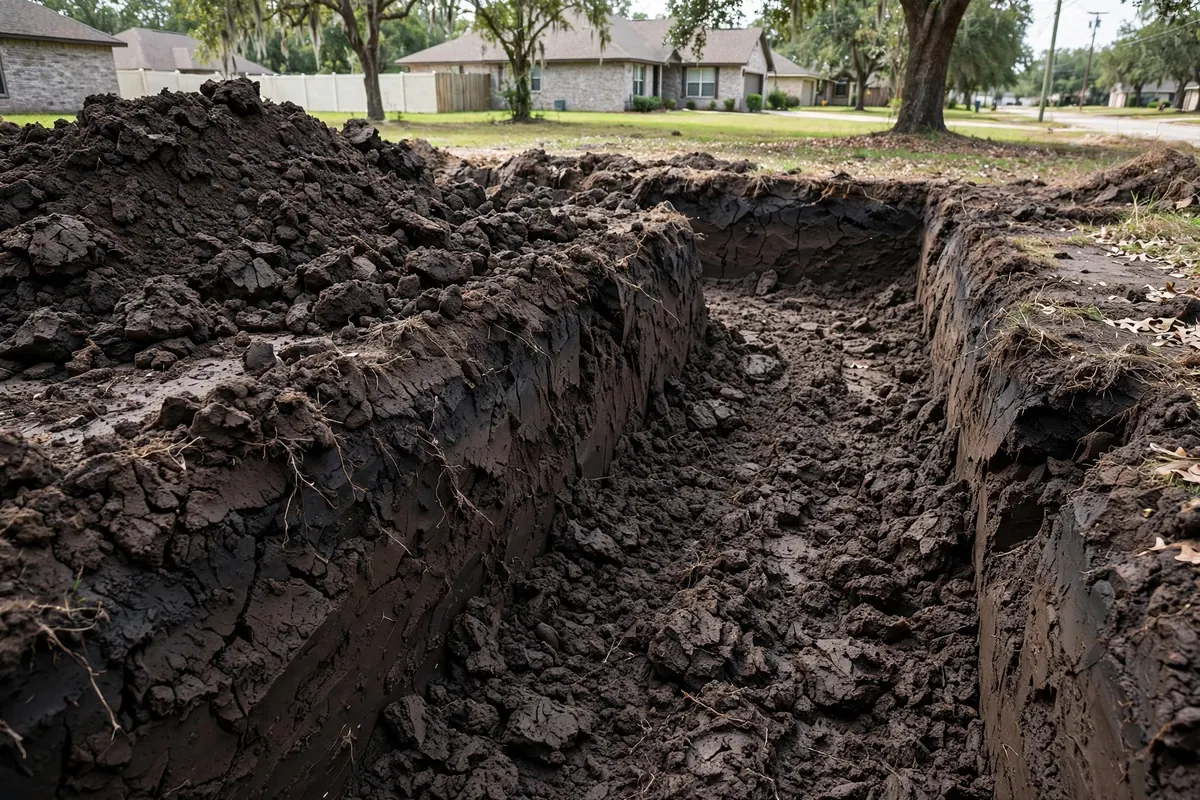
Blackland Prairie clay swells when wet and shrinks when dry, and that cycle bends foundations. Learn how the soil works and how to keep its moisture steadier.
Read the guide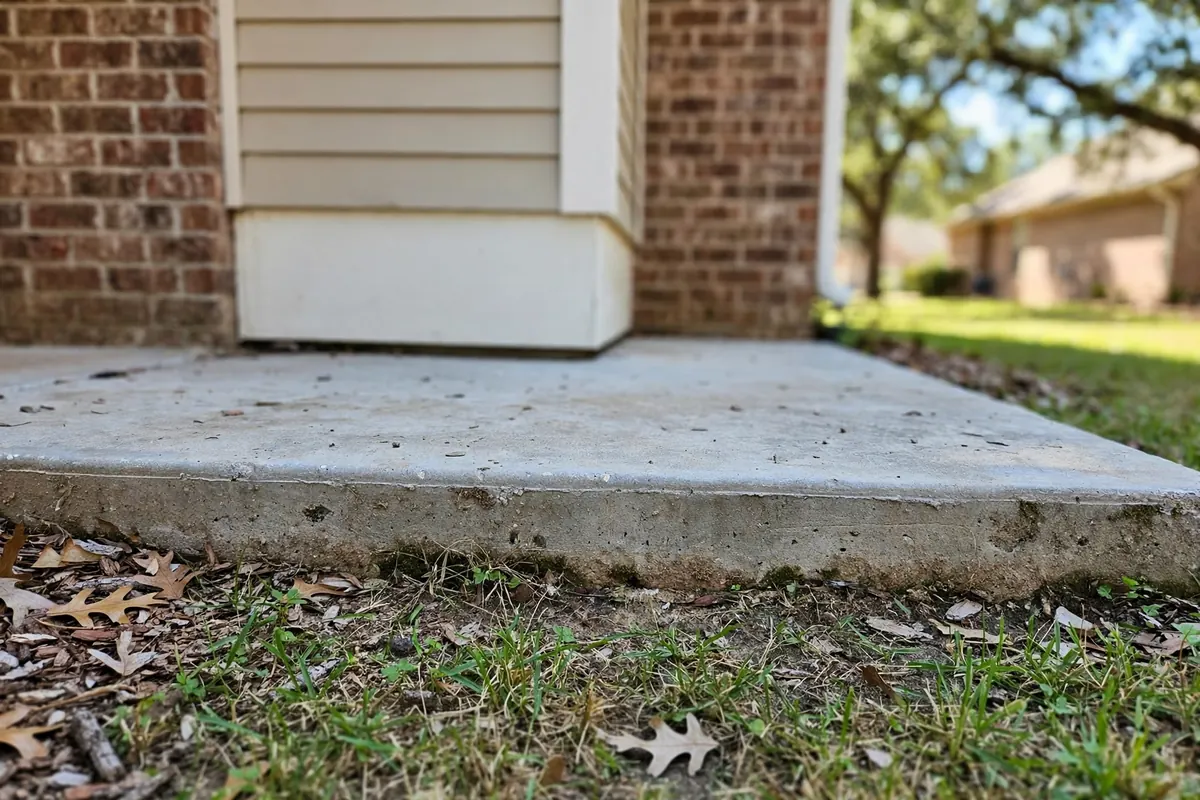
Pier and beam and slab foundations carry a house in different ways, and each one repairs differently. Compare them on the ground that matters in Plano.
Read the guide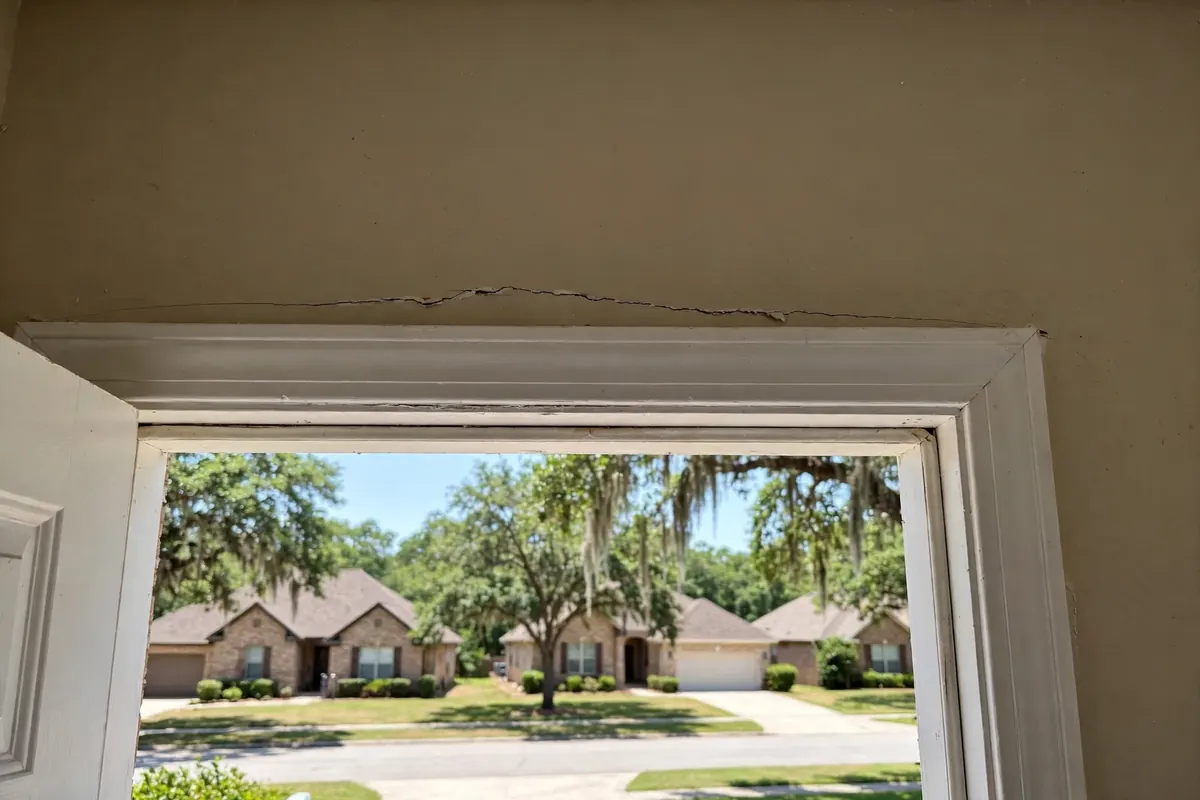
Not every crack is a crisis. Learn which crack shapes matter, how to measure a crack at home, and which ones call for an inspection soon.
Read the guide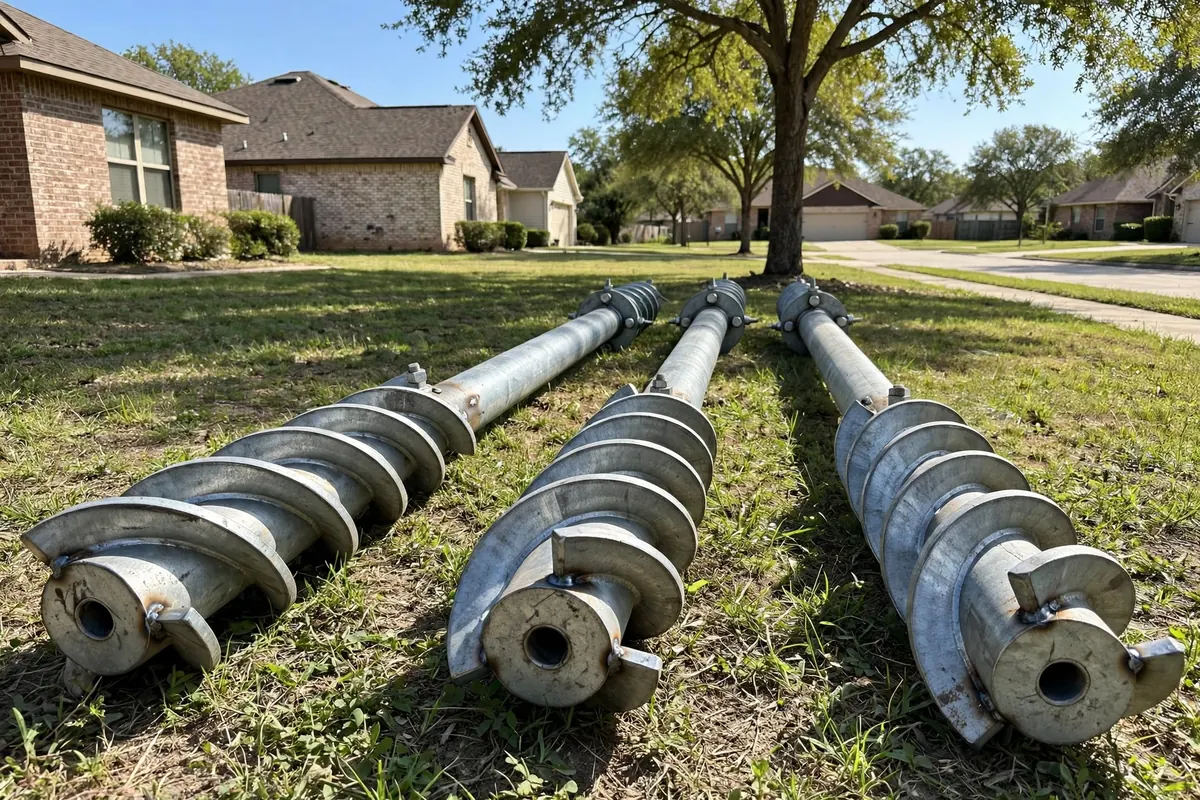
Steel piers, helical piers, foam lifting, and shimming each fit a different problem. Learn how each method works and how crews choose between them.
Read the guide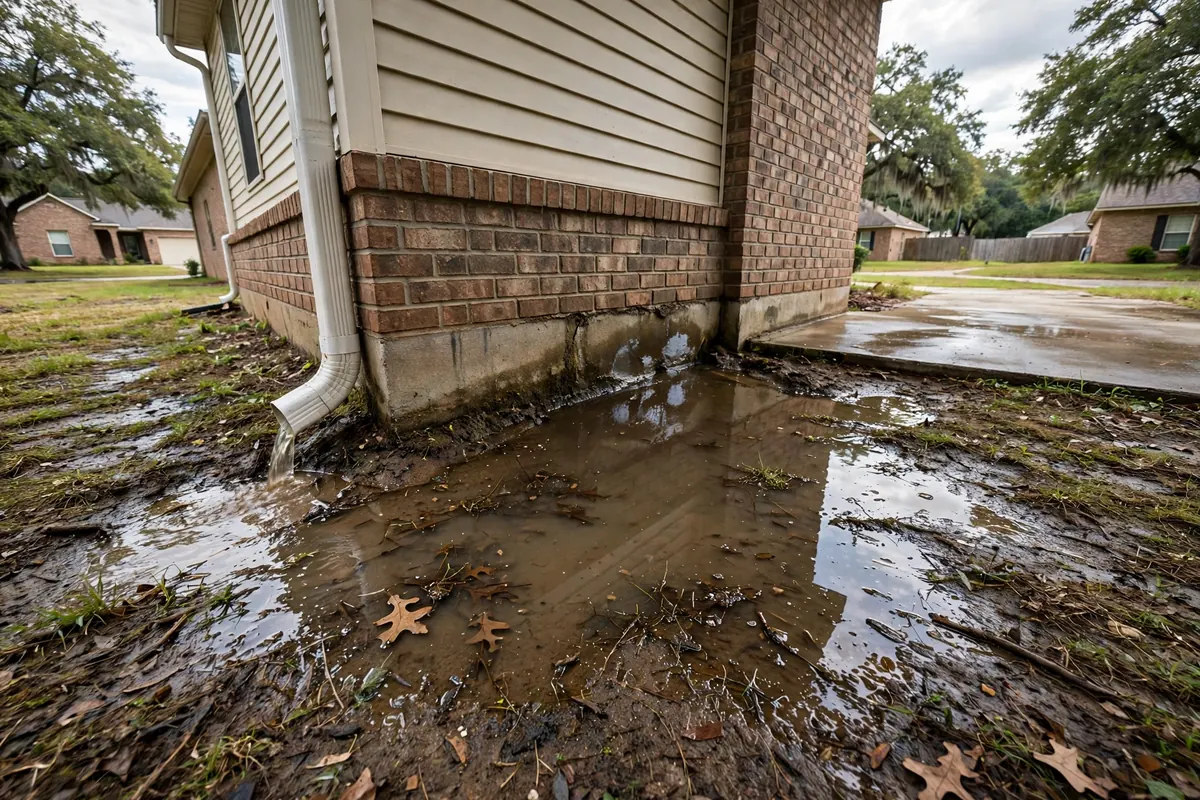
Clay, water, trees, and old grading are the main causes of foundation trouble across Collin County. Learn how they combine to move a home.
Read the guide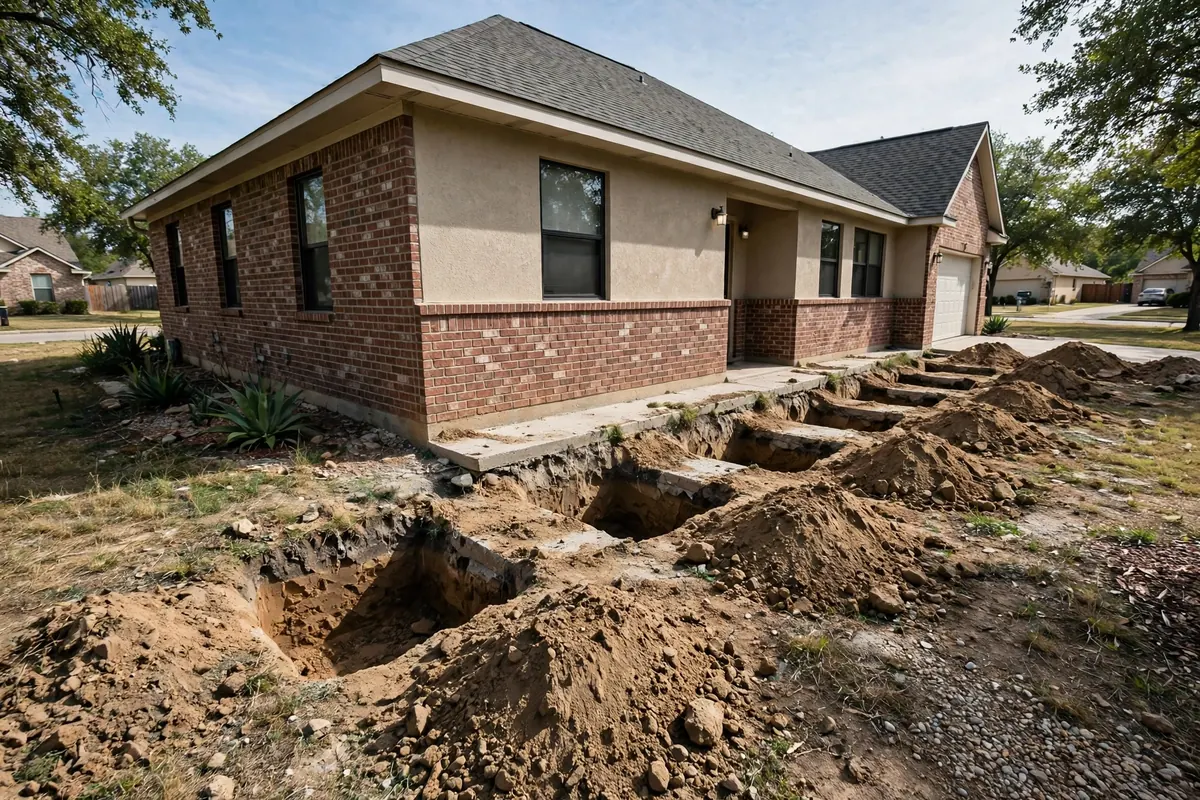
Most foundation jobs in Plano take a few days of work on site. Learn the stages from inspection to walkthrough, and what stretches a job.
Read the guide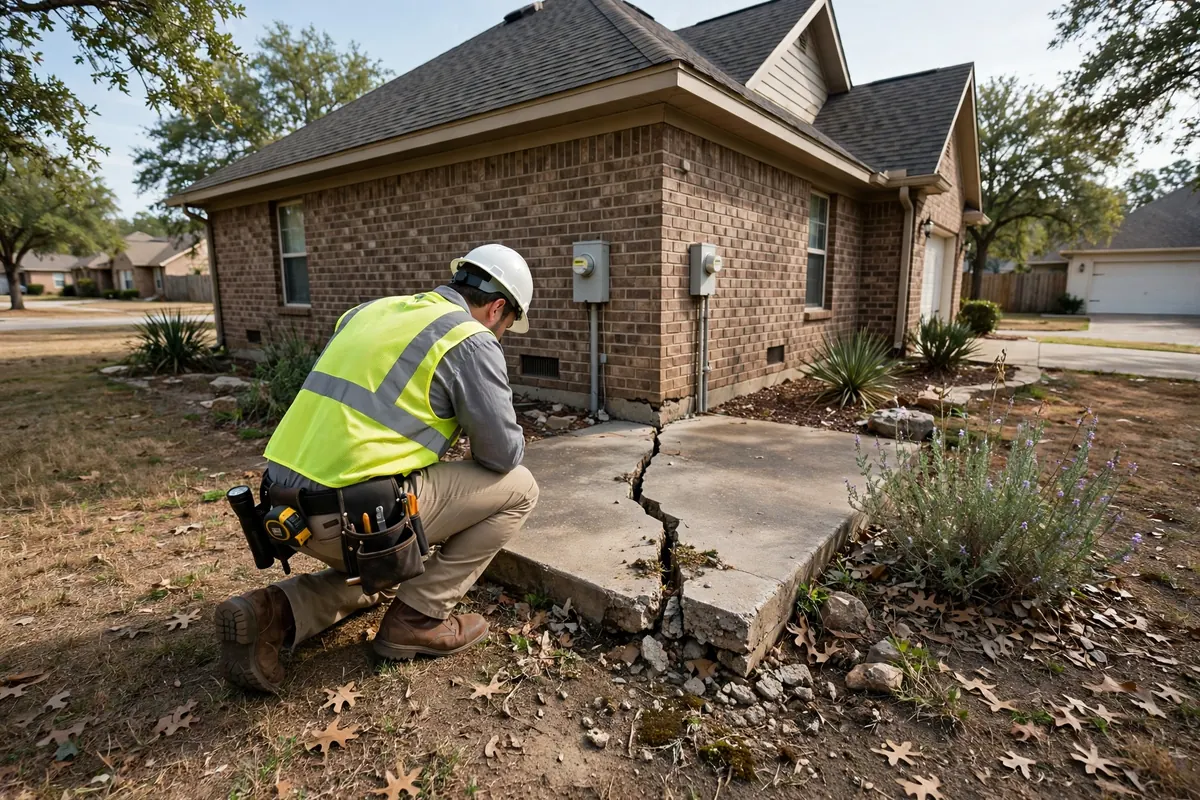
Foundation trouble lowers a home's value when buyers can see it and cannot tell how bad it is. Learn how repairs and records change the picture.
Read the guide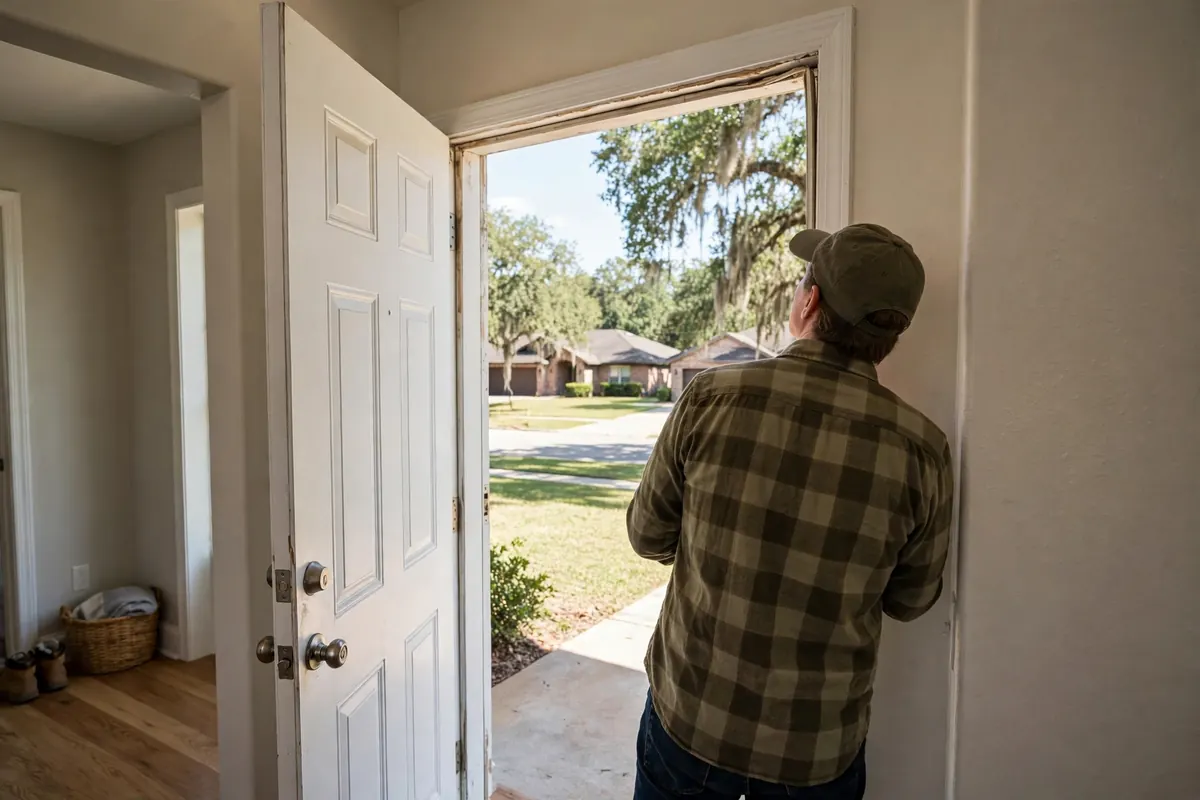
Check the foundation before you fall in love with the house. The outside walk, the inside checks, the disclosure, and the inspection that settles it.
Read the guide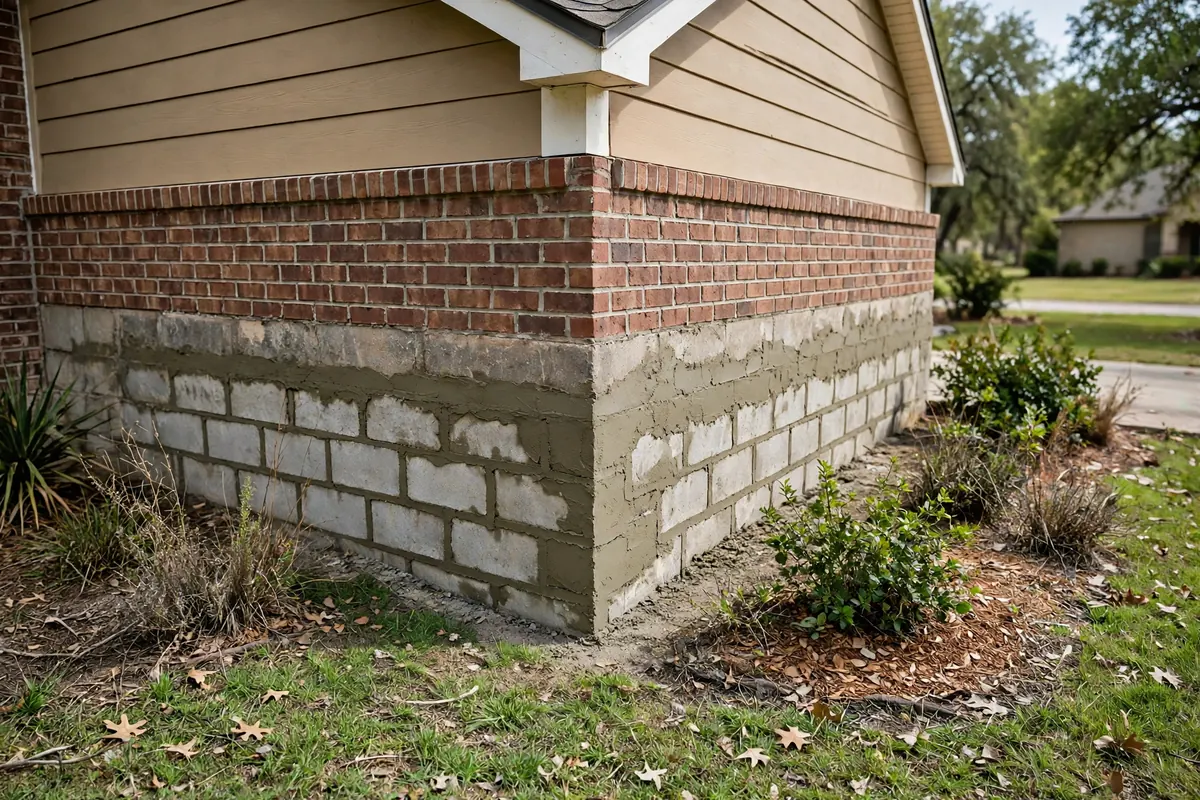
Timing, honesty, and records are what sell a Plano home with foundation trouble. Learn whether to repair first and how disclosure works in Texas.
Read the guide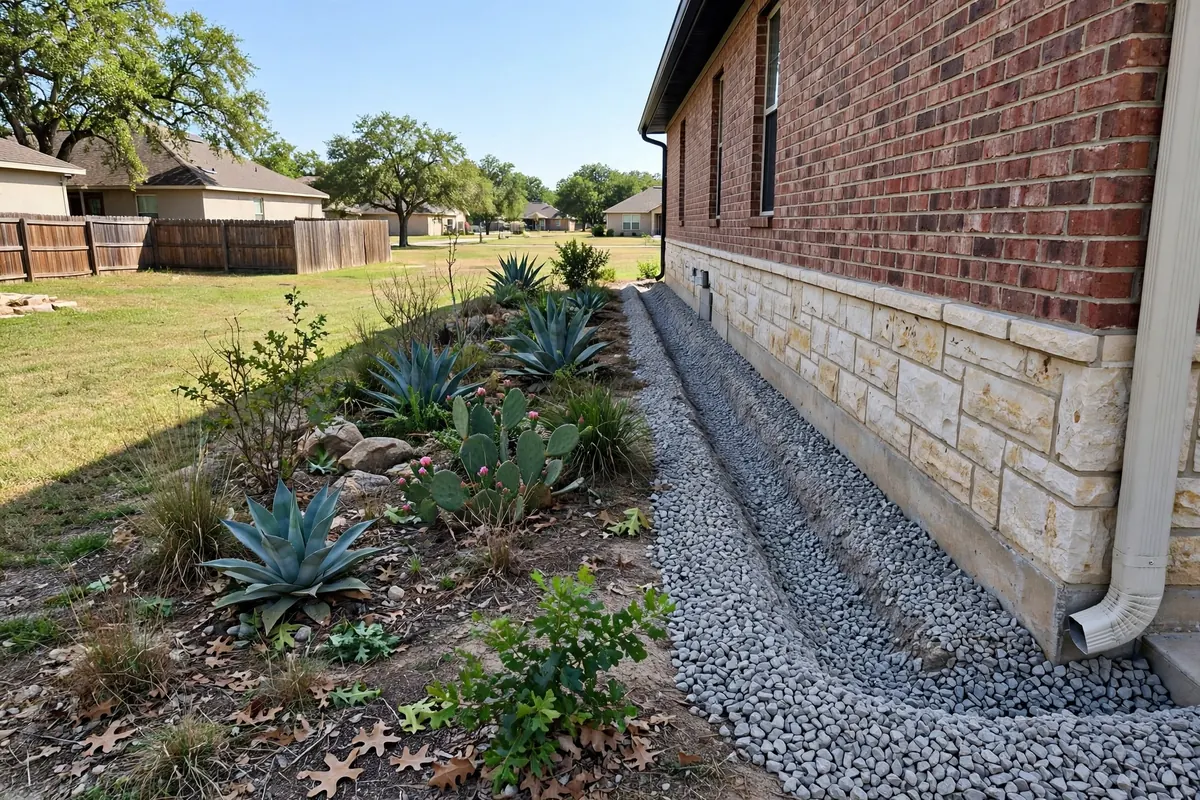
Good drainage keeps Plano clay moisture even and foundations steady. Gutters, grading, and French drains explained, plus a simple seasonal check.
Read the guide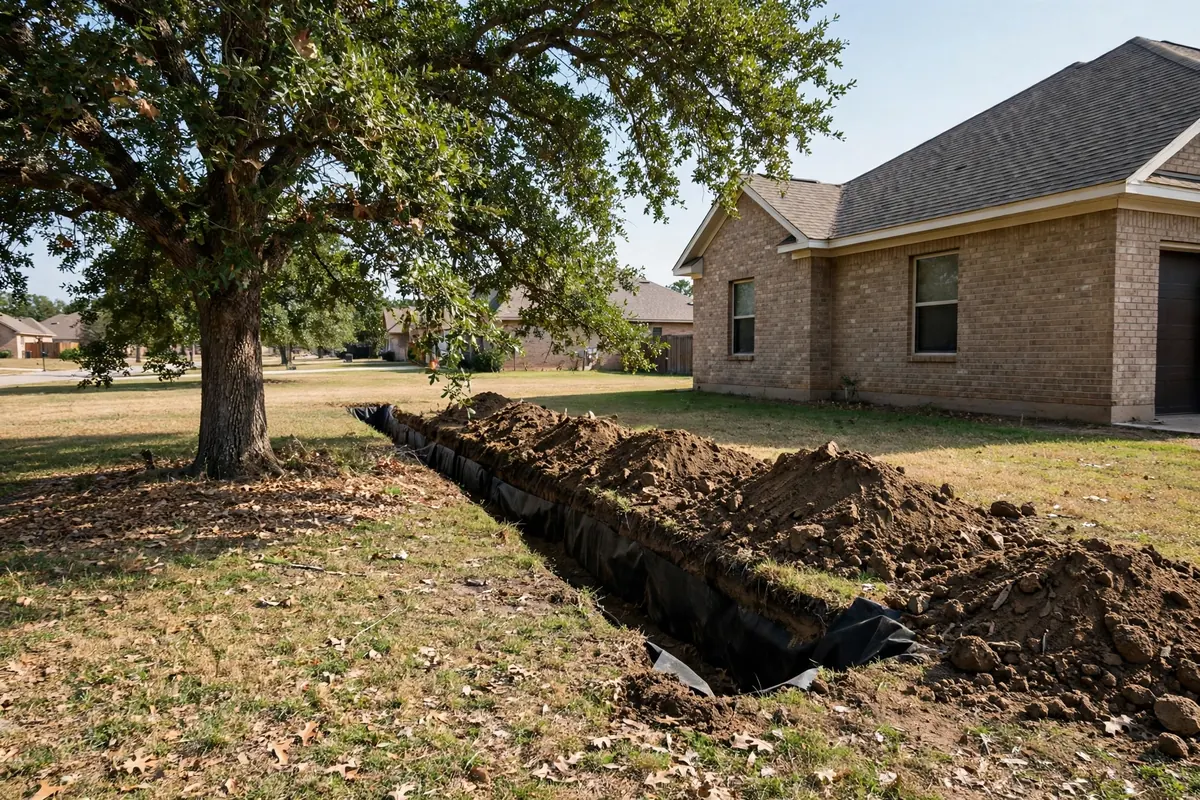
A large oak near a house drinks from the soil on its side, and the clay shrinks with it. Learn how trees move foundations and what keeps the balance.
Read the guide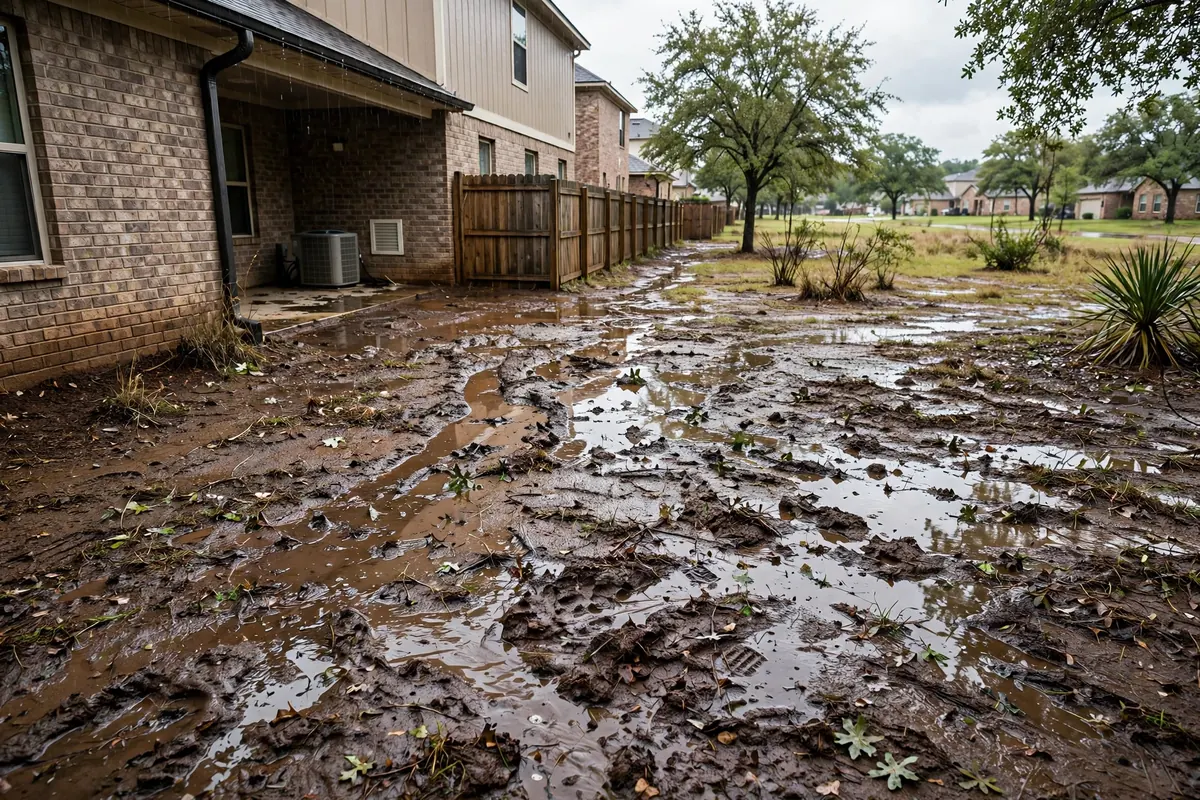
A wet season swells the clay fast, often unevenly. Learn what heavy rain does to the soil around your home and what to watch in the weeks after.
Read the guide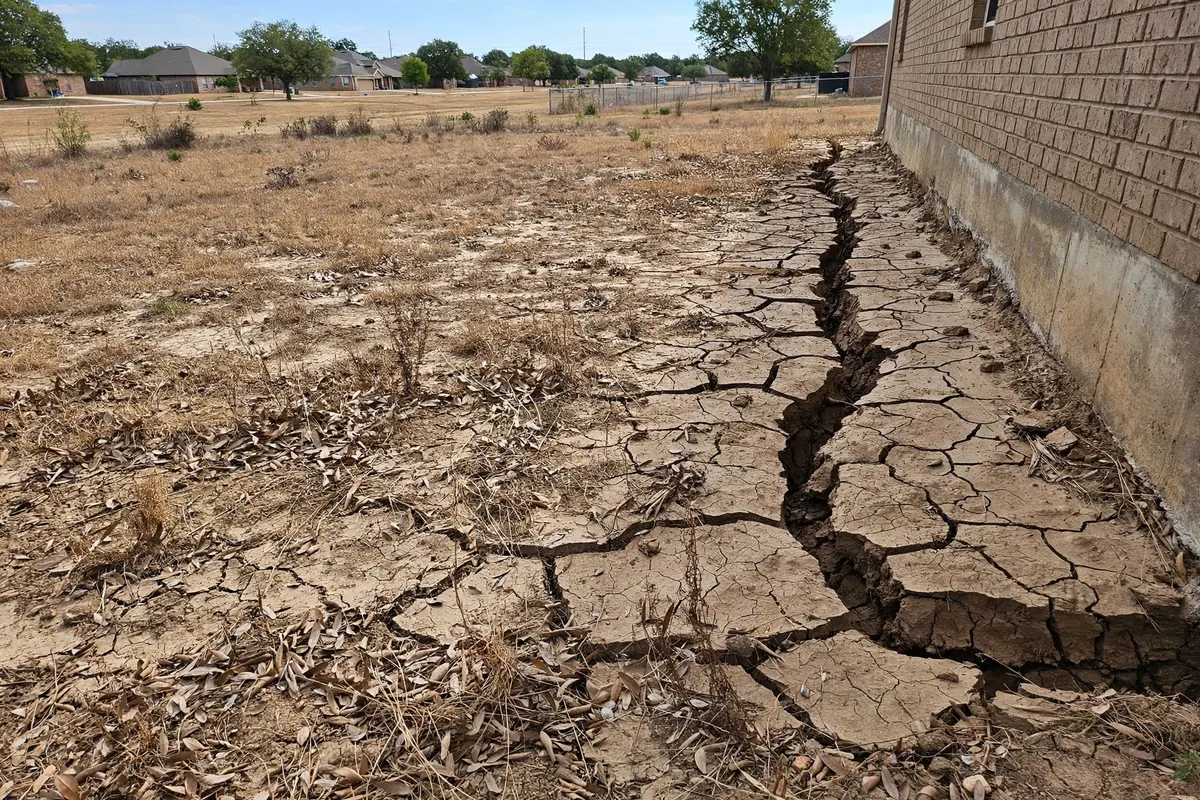
A long dry spell shrinks the clay deep under a slab and pulls it away from the concrete. Learn what to watch during a drought and how to water evenly.
Read the guide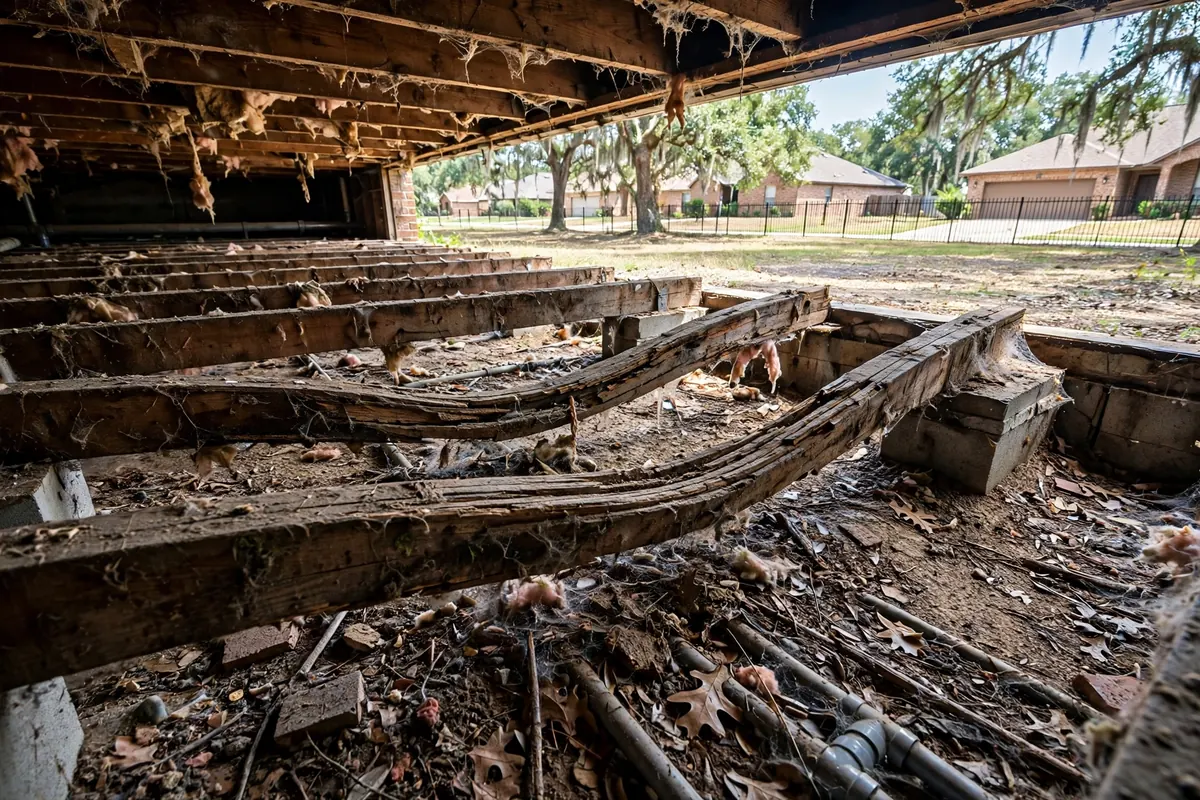
Damp air, sagging beams, and settling piers are the common troubles under a raised house. Learn what to look for in the crawl space.
Read the guide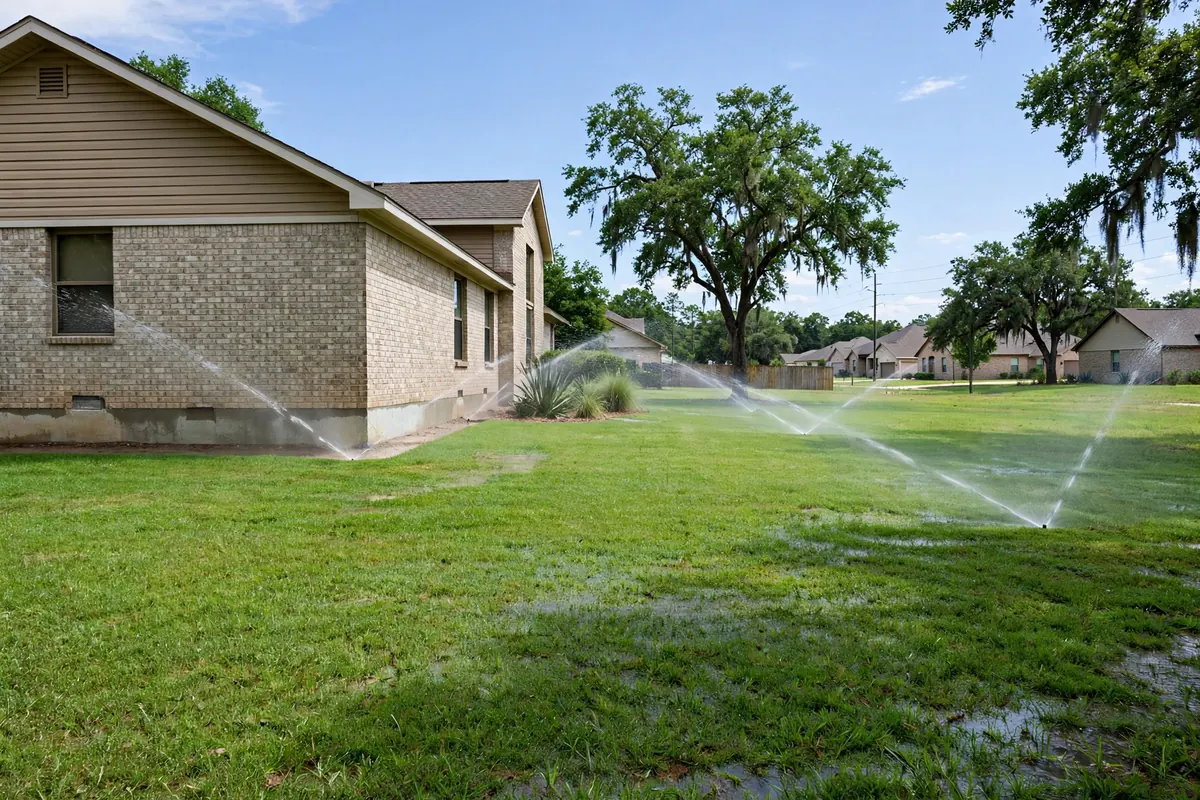
Watering the ground around a house can steady the clay, but only when it is done evenly. Learn when to water, how much, and when to stop.
Read the guide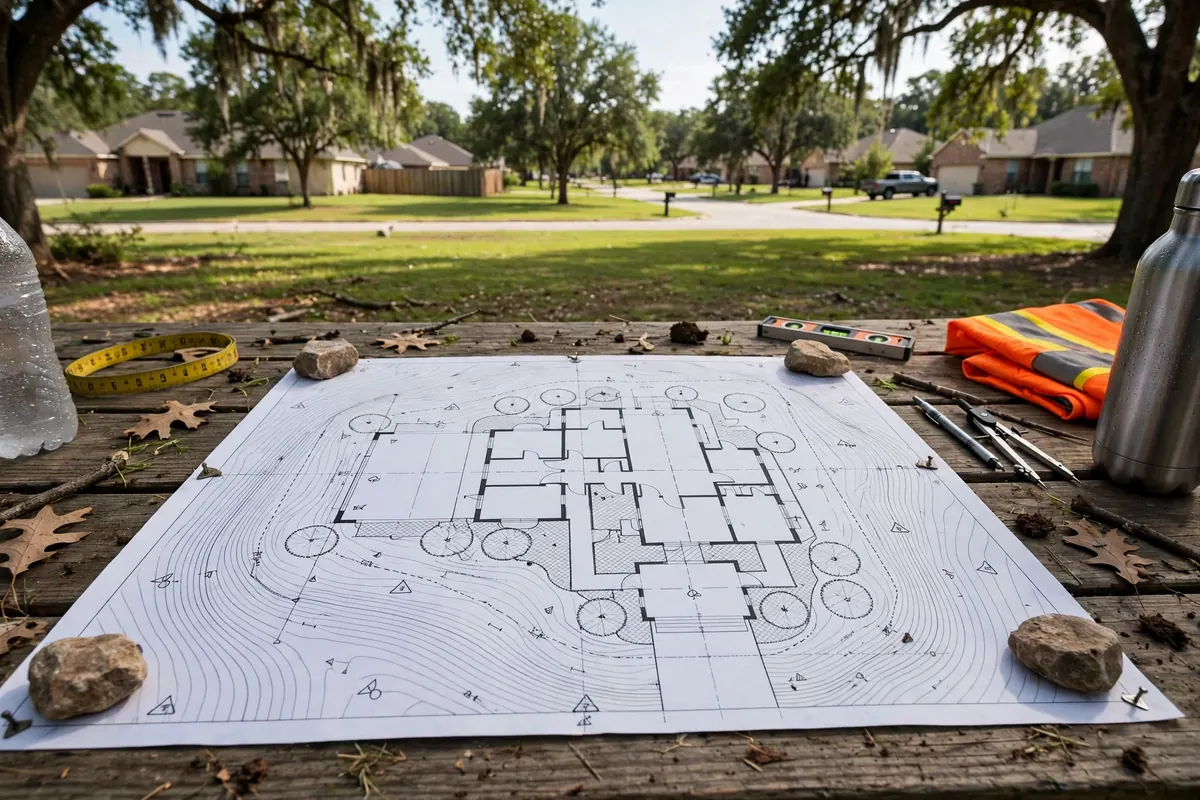
An inspection turns worry into numbers. Learn what the inspector measures, what the report contains, and the questions to ask during the visit.
Read the guide
A slow leak under a slab washes soil away grain by grain until the concrete sags into the hollow. Learn the signs of a hidden leak.
Read the guide
Offices, shops, and low-rise buildings sit on the same clay as houses, with heavier loads. Learn how commercial foundation work differs.
Read the guide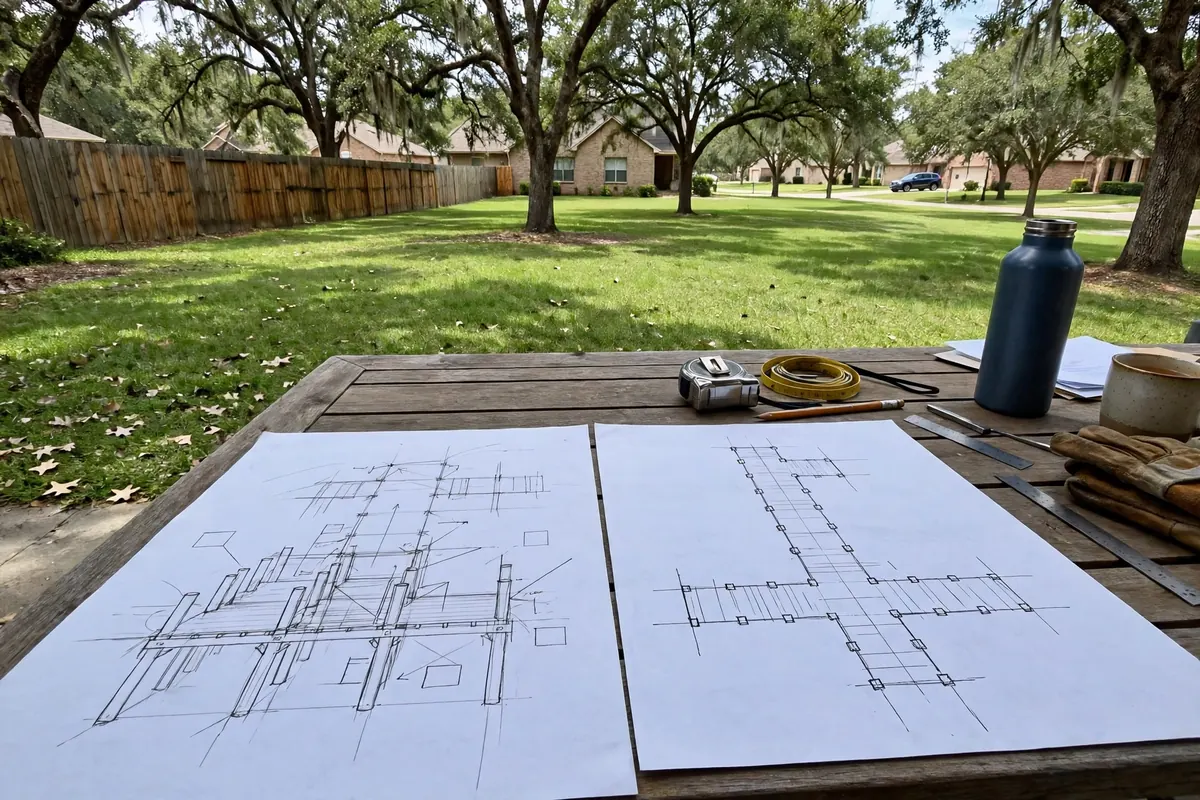
A written plan, readings you can check, and straight answers are the marks of a careful crew. Learn the questions that separate the two.
Read the guide
Steady watering, clean gutters, and a seasonal walk around the house are the habits that keep a Plano foundation steady. A full checklist inside.
Read the guide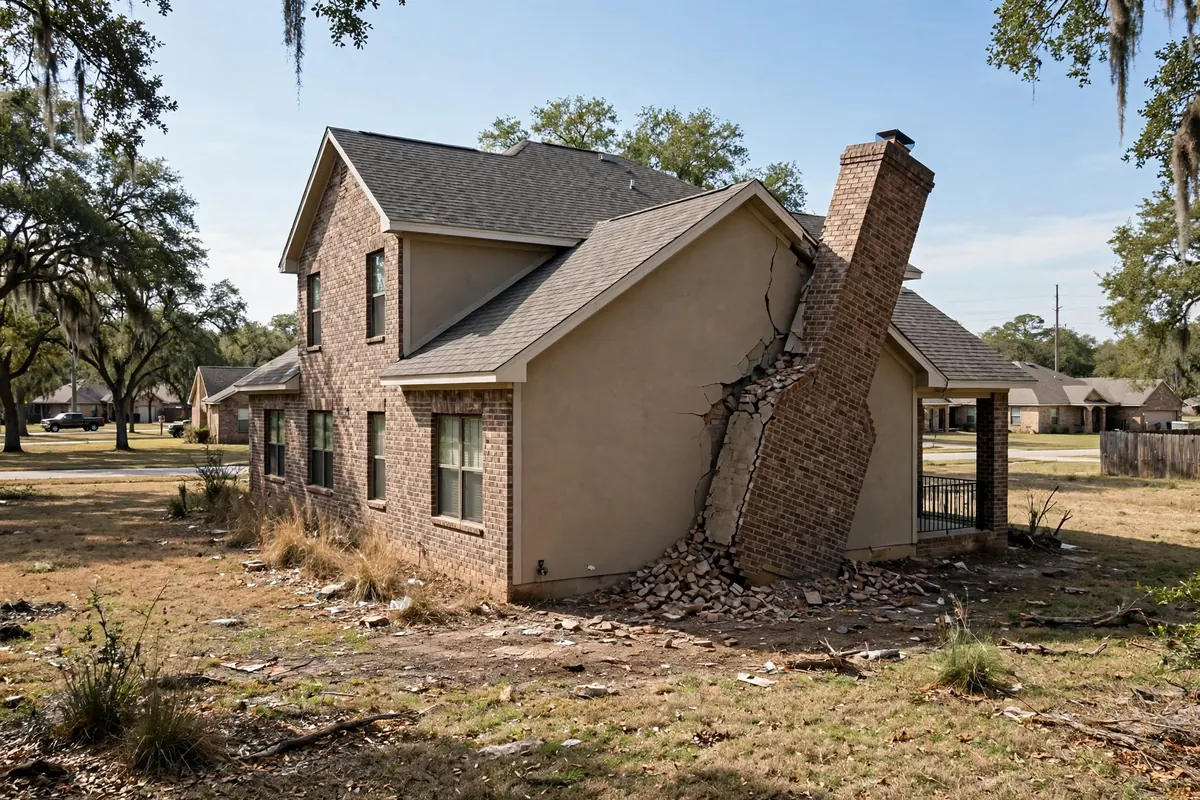
Movement that is left alone rarely stays still. Learn how small signs develop over seasons, and when waiting turns a small job into a large one.
Read the guideThe guides fall into five groups, and each group answers a different kind of question.
Signs and cracks. The first group covers what you can see: sticking doors, stair-step cracks, sloping floors, and gaps at the baseboards. These guides teach you to read the signs, to measure a crack at home, and to tell a quiet crack from one that calls for an inspection this week. Start here if you have just noticed something and you want to know whether it matters.
Clay and causes. The second group covers why the signs appear. The Blackland Prairie clay under Plano, the water that pools and leaks, the trees that drink from one side of the house, and the fill soil under newer subdivisions all play a part. These guides explain the soil cycle through a Plano year, from spring rains to summer drought, and they show how the causes combine on the same house.
Repair methods and timing. The third group covers what happens when a repair is needed. Steel piers and helical piers, foam lifting for sunken concrete, and the shimming work under a pier and beam home are each explained in plain words, along with the schedule of a job and the walkthrough at the end. Start here when you have a plan in hand and you want to follow it.
Buying, selling, and value. The fourth group covers the sale. What buyers notice first, how repairs and records change what a buyer will pay, what the Texas disclosure form asks, and how to time a repair around a listing are all covered here. These guides are written for both sides of a sale, because the buyer and the seller are reading the same house.
Water and care. The fifth group covers the habits that keep a house steady: gutters and downspouts, grading that slopes away from the walls, French drains, watering the foundation evenly, and the seasonal walk that catches problems early. These are the small jobs that keep the large jobs from being needed, and they are the cheapest work a Plano homeowner can do.
Walk the house once each season and look at the doors, the brick, and the ground around the foundation. A seasonal walk catches new cracks and sticking doors early, when the fix is usually a small one. Pay extra attention after a long dry spell or a heavy rain, since those are the weeks when Plano clay moves most.
Yes. Every guide on this page is written for homes built on the Blackland Prairie clay under Plano and Collin County, with the soil, the weather, and the housing types of this area in mind. The examples use the slab and pier and beam homes common around here, and the wet and dry seasons that drive most movement.
The guides help you spot the signs and understand the options, but only an inspection with elevation readings can measure your house. Reading first makes the inspection visit more useful, because you arrive with notes and questions. Think of the guides as a way to know what to watch, and the inspection as the measuring step that turns watching into numbers.
Yes, the guides are written for Plano homeowners to use however they help, including sharing them with a buyer, a seller, or an agent during a sale. They explain the signs and the repair choices in plain words, and they link to the service pages when you want more detail on a fix.
Yes. Most guides note where a slab home and a pier and beam home behave differently, because the signs and the fixes are not the same. If a guide does not say which type it means, the advice applies to both, and the service pages carry the detail for each type.
Guides help you spot the signs. An inspection measures your house and puts a written plan in your hands.
Call or book online, and we will measure your home, explain what the numbers mean, and put a written plan in your hands.
Book a Foundation Inspection Call (972) 430-3826