Foundation Repair in Rockwall, TX
Rockwall lies northwest of Forney, with lakefront homes on Lake Ray Hubbard and the Harbor district.
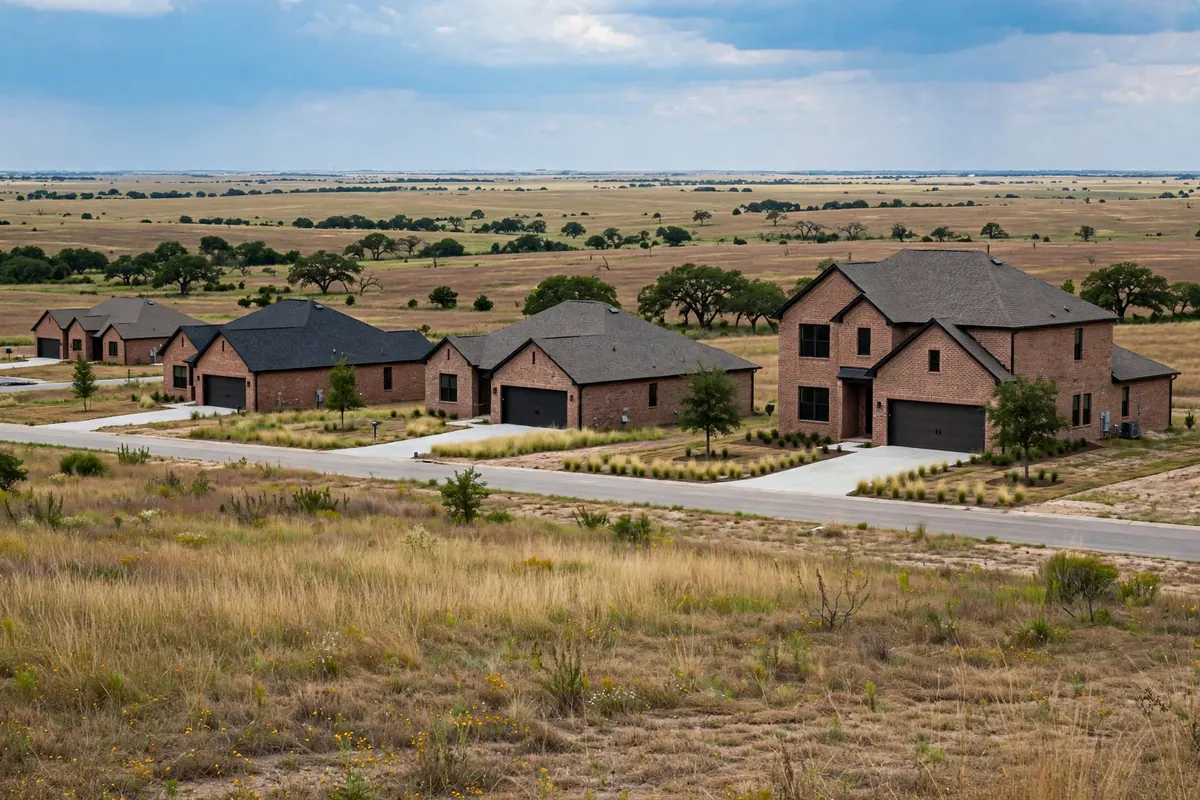
Forney sits about thirty-five miles southeast of Plano, along US 80 in Kaufman County, and it is one of the fastest-growing cities in the metro. The historic downtown and Antique Row run along US 80, and the new subdivisions spread along FM 548, FM 740, and FM 741: Devonshire, Windmill Farms, Gateway Parks, Travis Ranch, and Heartland. The ground is Blackland Prairie clay on former farmland, and the new houses sit on slabs that are still settling into it.
Last updated November 24, 2026
Forney earned its nickname as the Antique Capital of Texas from Antique Row along US 80, but most of today's traffic comes from the subdivisions spreading along FM 548, FM 740, and FM 741. The city is in Kaufman County, named one of the fastest-growing counties in the state, and the new master-planned communities keep adding streets on the west side of town, while the historic downtown holds the older homes. US 80 runs east and west through the middle of town, toward Mesquite and downtown Dallas to the west and Terrell to the east, and the Forney school district serves most of the city. The new homes are mostly brick, one or two stories, on slab foundations, and the lots are open prairie with young trees. Homeowners just over the line in Rockwall, TX and Rowlett, TX get the same inspection and the same crew, and each town has its own page with local soil and ZIP details.
The most common Forney repair is a new slab that has settled unevenly. Devonshire, Windmill Farms, Gateway Parks, and Travis Ranch were built on former farmland, and the ground was graded and filled during construction. Where a slab crosses from undisturbed clay onto engineered fill, the two sides settle at different rates, and the result shows up in the first years: a stair-step crack in the brick, a door that sticks, a floor that slopes toward the low corner. Steel pier installation pins the low side to load-bearing soil, and house leveling and lifting brings the floors back toward level in small, measured steps.
In the older part of town, around historic downtown Forney and the streets off US 80, the homes are older and the repair looks different. Those houses may have been built on pier and beam, or on early slabs, and the clay has been moving under them for decades. Pier and beam foundation repair covers the raised homes, with new footings, shims, and beams under the floor, while the slab homes get the same piers as the new subdivisions. Our guide to pier and beam vs slab foundations explains how the two types behave differently, and why the readings matter more than the age of the house.
Cracks and water round out the work. Foundation crack repair covers stair-step brick cracks, interior drywall cracks, and the monitoring that shows whether a crack is stable or still moving, and drainage correction re-grades the yard, extends downspouts, and adds French drains where water collects. New subdivisions often have flat lots where water has nowhere to go, so drainage work is part of many Forney repairs, and our post on foundation problems after heavy rain covers how a wet spring moves a new slab.
Forney housing falls into two clear groups. The new subdivisions hold most of the city's homes, and they are large, master-planned communities with consistent elevations and modern floor plans. Devonshire, Windmill Farms, and Gateway Parks sit on the west side of town, along FM 548 and FM 740, and Travis Ranch, Diamond Creek, Fox Hollow, and Overland Grove sit nearby. Heartland, the largest master-planned community, sits on the north side of town, with larger homes and its own amenities. These homes are mostly brick, one or two stories, on slab foundations, built from the 2000s onward, and many are still under their first decade on the ground.
The second group is the older homes in historic downtown Forney and along US 80, with Antique Row running through the middle of town. These homes are smaller, older, and more varied, with some on pier and beam and some on early slabs, and they sit on lots with mature trees and established landscaping. The contrast matters for the repair, because a new slab on graded fill settles differently from an old slab on undisturbed clay, and the inspection has to match the ground under each house. Our post on buying a home and checking the foundation first covers what to look for when a Forney home changes hands.
The prairie ground is the other half of the Forney story. The city sits on Blackland Prairie clay, the same expansive soil that underlies Plano, and the farmland it was built on was flat, open, and wet in the spring. The clay swells when it soaks up rain and shrinks hard in a dry summer, and a new slab has to ride that movement from its first year. Our guide to why Plano's clay soil cracks foundations explains the same soil behavior in plain language, and it applies to Forney just as it does to Plano.
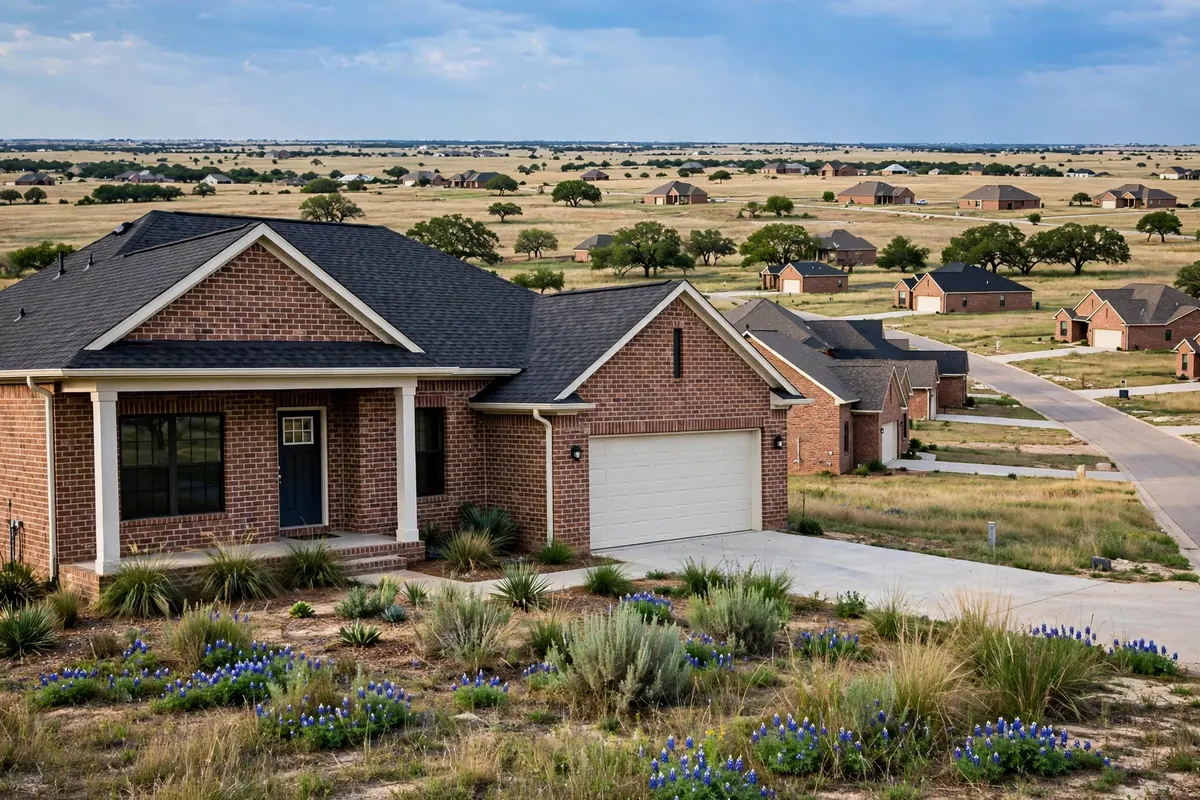
The scope of a Forney repair starts with the readings and the age of the house. A foundation inspection takes floor elevation readings room by room, and the pattern of high and low corners decides how many piers the plan needs and where they go. A new home that has settled an inch at one corner needs fewer piers than a home that has settled at two corners, and a home with a long driveway and a wide lawn may need drainage work as well. The written plan names the piers, the drainage work, and the order of the job, so the scope is set by measurements rather than by a guess.
Soil and grading decide the rest. The Blackland Prairie clay under Forney swells when wet and shrinks when dry, and the graded fill under a new subdivision settles at a different rate than the undisturbed clay beside it. Where the clay is deepest, the piers go deeper, and where the yard holds water after rain, drainage correction is part of the plan, because water that pools beside the foundation works against the piers. Soil stabilization is added where the clay itself swells and shrinks the most, and our post on what causes foundation problems in Collin County covers the same soil behavior in plain language.
Access and timing add their own factors. A new subdivision gives the crew room to work, with wide streets and open lots, while a historic downtown home may have a tight lot and mature trees, so the equipment is staged carefully. Many Forney homeowners are first-time buyers in a new home, and the inspection is often the first time anyone has looked at the slab, so the written plan is written to be read by someone who has never seen a foundation repair before. Our methods guide, Foundation Repair Methods Explained, compares the repair options, and it is the same comparison we talk through with Forney homeowners before any work is agreed.
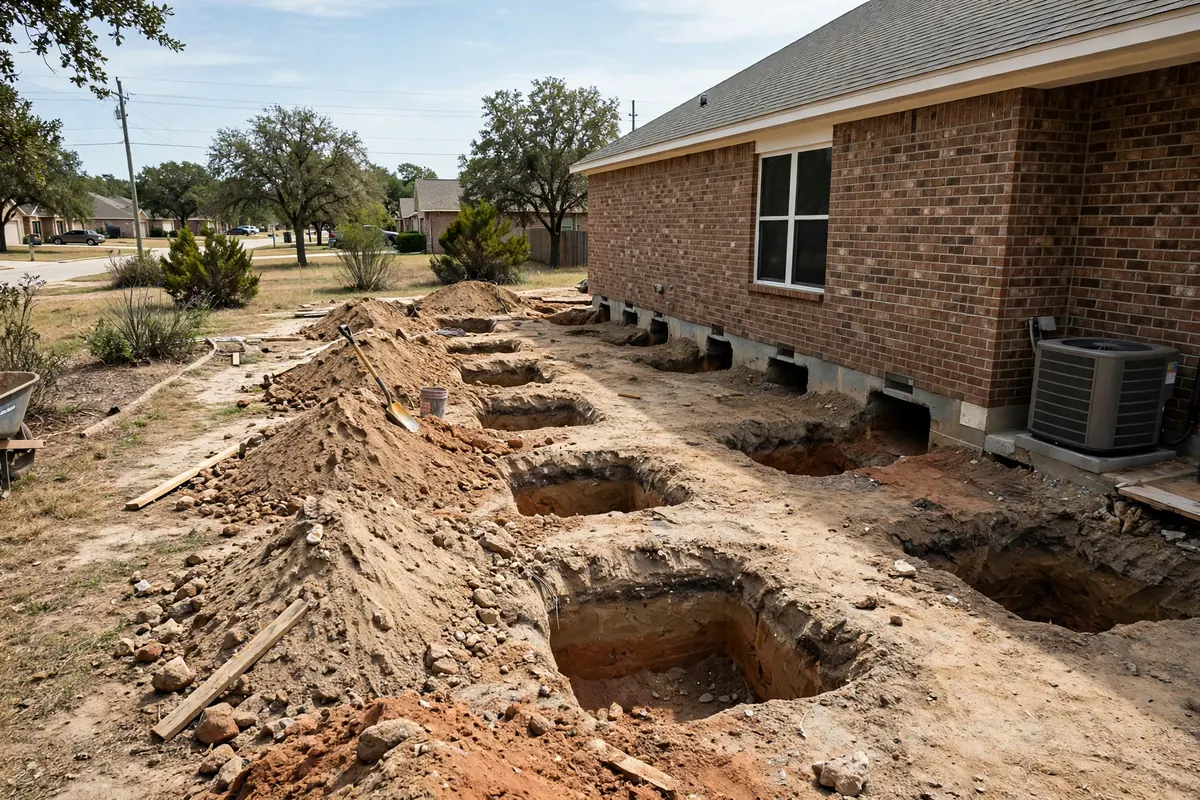
For a Forney home, the inspection starts with floor elevation readings and a look at the grade and the roof water, and the written plan follows from what the readings show.
Forney is served by the 75126 ZIP code, and the table below lists it with the areas it covers. The 75126 ZIP covers most of the city, including the historic downtown, Devonshire, Windmill Farms, Gateway Parks, and Travis Ranch, and some newer addresses on the east side use 75127. The ZIP on your mail follows the postal route, not the city line, so check the address rather than the ZIP alone.
Devonshire, Windmill Farms, and Gateway Parks are the best-known subdivisions, on the west side of town along FM 548 and FM 740. Travis Ranch, Diamond Creek, and Fox Hollow sit nearby, and Heartland, the largest master-planned community, sits on the north side of town. Overland Grove, Park Trails, and Grayhawk hold the newer streets, and the historic downtown, with Antique Row along US 80, holds the older homes. Clements Ranch and the neighborhoods off FM 741 sit on the south side of town, and the Pinson and FM 548 corridor holds the acreage on the east side.
| ZIP code | Area |
|---|---|
| 75126 | Most of Forney, including downtown, Devonshire, Windmill Farms, Gateway Parks, and Travis Ranch |
| 75127 | Some newer addresses on the east side of Forney |
Forney uses 75126 for most of the city, including downtown, Devonshire, Windmill Farms, and Gateway Parks. Some newer addresses on the east side use 75127, so check the address rather than the ZIP alone. Forney has grown fast on its east side, so a new street may carry a ZIP that surprises its owner.
New homes sit on graded fill over Blackland Prairie clay, and the fill settles at a different rate than the undisturbed clay beside it. The slab can settle unevenly in its first years, and the readings show which corner has moved.
That depends on your builder and your contract, and we do not make warranty claims for you. The inspection gives you measured readings and a written plan, which you can share with your builder if you choose to. Keep the inspection readings with the contract and any builder letters, so the paperwork stays together if you raise the question later.
Most Forney slab repairs take a few working days from the first excavation to the final backfill, depending on how many piers the plan calls for and how much drainage work is included. The inspection itself usually takes about an hour, and the written plan follows from the readings.
The clay is the same on both sides of town, but the houses tell the story differently. Devonshire and Windmill Farms sit west of town along FM 548 and FM 740, with older homes and mature trees that pull moisture from one side. Travis Ranch is newer, on graded fill that settles in the first seasons. The signs differ, but an inspection reads each home the same way.
We work across the towns around Plano, so if your home sits just over the line from Forney, the same crew and the same inspection process cover it. These nearby service areas each have their own page with local soil, housing, and ZIP details.
Call (972) 430-3826 or send an email, and we will set up a foundation inspection for your Forney home.
Book a Foundation Inspection1 Call or email2 Inspection and readings3 Written repair plan